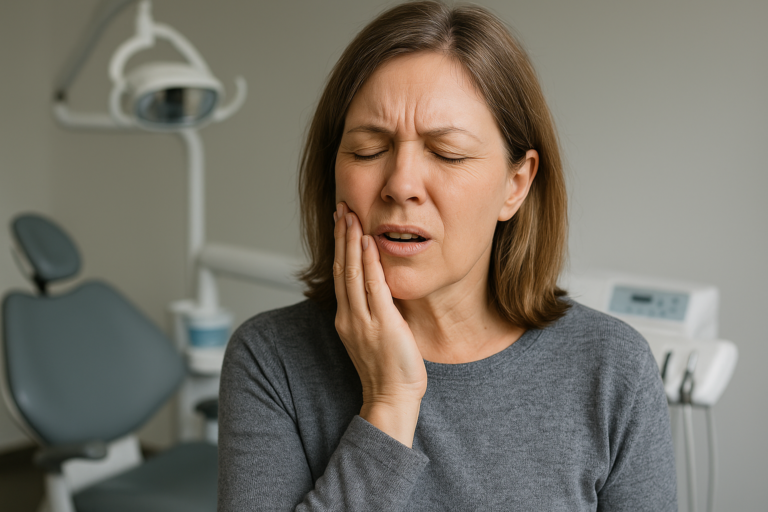
A damaged tooth can happen suddenly while eating, playing sports, grinding your teeth, or biting down on something unexpectedly hard. In some cases, the damage looks minor but causes severe pain. In others, a tooth may have a visible break with very little discomfort at first. That is why it helps to understand the difference between a chipped tooth and a cracked tooth, along with the warning signs that may point to a need for prompt dental attention.
If you are dealing with a possible cracked tooth emergency or wondering whether chipped tooth urgent care is necessary, the most important step is not to ignore the problem. Even a small fracture can worsen over time, especially if the damaged tooth is still being used for chewing. Early evaluation can help a dentist determine the extent of the injury and recommend appropriate treatment before the problem becomes more painful or complicated.
This article explains common tooth fracture symptoms, how chipped and cracked teeth differ, when a same day dentist for cracked tooth may be appropriate, and what to do while waiting to be seen.
Why a cracked or chipped tooth should not be ignored
Teeth are strong, but they are not indestructible. A blow to the mouth, pressure from clenching or grinding, untreated decay, large old fillings, and sudden impact from hard foods can all contribute to fractures. Sometimes the damage is easy to spot. Other times, a crack may be tiny and difficult to see without a dental exam.
What makes tooth damage tricky is that symptoms do not always match the severity of the problem. A very small chip may feel sharp but remain mostly cosmetic. A crack that runs deeper into the tooth may cause intermittent pain, temperature sensitivity, pain when biting, or inflammation around the tooth. Left untreated, a fracture may grow, expose deeper layers of the tooth, or make infection more likely.
Prompt evaluation is especially important when pain, swelling, bleeding, or changes in your bite are involved. These signs can indicate more than a superficial problem.
Chipped tooth vs. cracked tooth: what is the difference?
Although people often use these terms interchangeably, a chipped tooth and a cracked tooth are not always the same.
Chipped tooth
A chip usually means a small piece of enamel has broken off. This often affects the outer edge of a tooth, especially a front tooth. Some chips are minor and mostly affect appearance. Others may create a rough or sharp edge that irritates the tongue or cheek.
A chip can still become urgent if it is large, painful, bleeding, or exposes the inner part of the tooth.
Cracked tooth
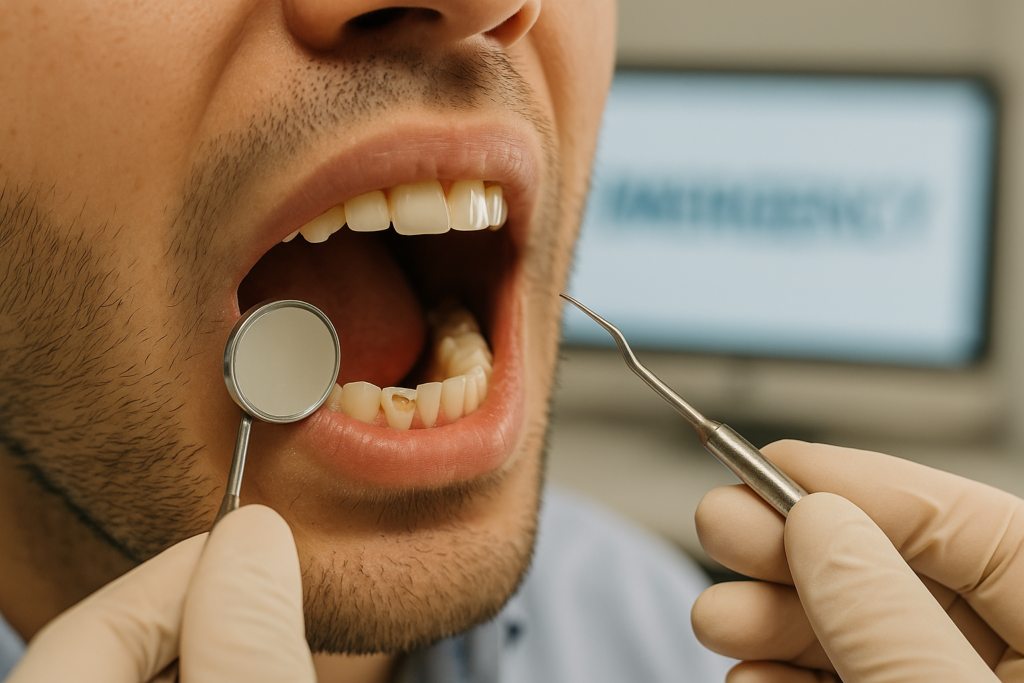
A crack is a fracture line that may run across, down, or through the tooth. Cracks can range from very small surface lines to deeper structural damage that threatens the health of the tooth. A cracked tooth may not always be visible, but it can produce significant discomfort, especially when chewing.
Because the fracture may extend into areas that contain nerves or affect the root, a crack is often more concerning than a small chip. That is one reason people search for a same day dentist for cracked tooth problems when pain starts suddenly.
Common signs of a cracked tooth emergency
Not every damaged tooth requires immediate treatment the same day, but certain symptoms suggest that prompt dental evaluation is a good idea. Possible signs of a cracked tooth emergency include:
- Sharp pain when biting down, especially if the pain comes and goes
- Sensitivity to hot, cold, or sweets that started after the injury
- Pain when releasing pressure after biting, which can happen when a crack flexes
- A visible fracture line or a missing piece of tooth structure
- Swelling of the gums near the affected tooth
- A feeling that the tooth is unstable or may break further
- A change in your bite, where the tooth no longer meets normally
- Persistent throbbing or lingering pain that does not improve
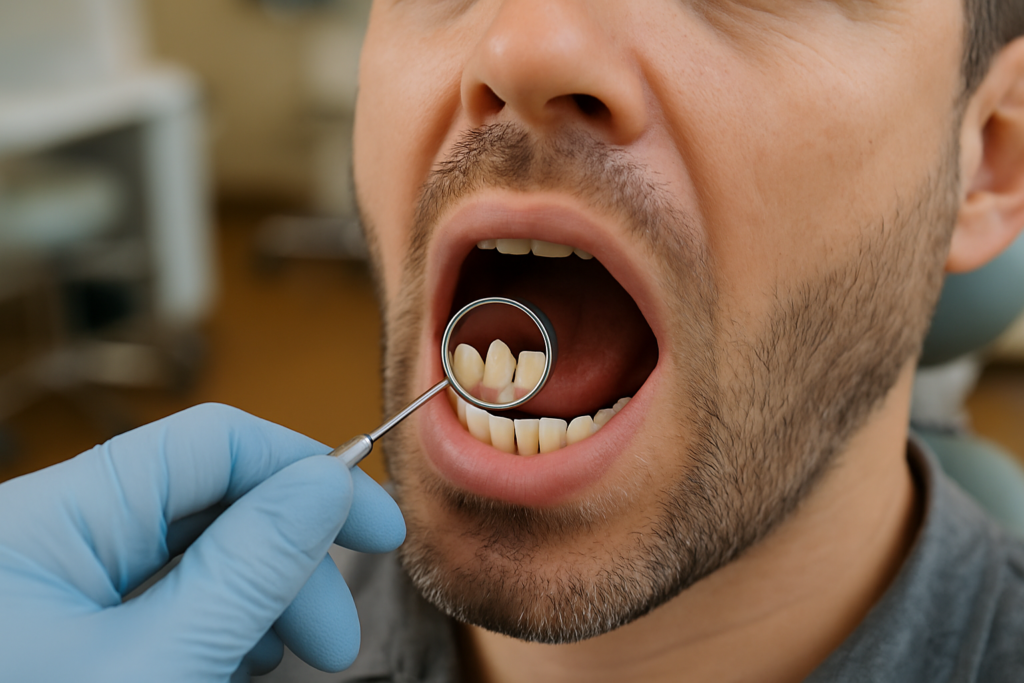
These tooth fracture symptoms do not confirm a diagnosis by themselves, but they do signal that waiting could increase the risk of further damage or infection.
When chipped tooth urgent care may be needed
Some small chips can wait for a prompt but nonemergency dental visit. Others should be addressed right away. Chipped tooth urgent care may be appropriate if:
- The chip causes significant pain
- The tooth is sensitive because deeper layers may be exposed
- The broken area is large or continues to crack
- There is bleeding from the area after trauma
- The tooth has sharp edges cutting the tongue, lips, or cheeks
- You notice swelling, pus, or worsening tenderness
- The injury happened along with other dental trauma, such as a loose tooth or jaw pain
A front tooth chip may also deserve faster evaluation when appearance and function are both affected. Even if pain is mild, a dentist can assess whether the damage is only cosmetic or whether treatment is needed to protect the tooth.
Symptoms that may mean you should seek same-day dental care
If you are unsure whether to wait, it may help to think in terms of worsening pain, visible structural damage, and possible infection. Same-day dental care may be appropriate if you have:
- Moderate to severe tooth pain after the tooth cracked or chipped
- Pain that makes it hard to eat, drink, sleep, or concentrate
- A large missing portion of the tooth
- A dark line, split, or visible crack with discomfort
- A loose or partially broken tooth
- Swollen gums or facial swelling near the tooth
- Signs of infection such as pus, foul taste, or fever along with dental pain
- Recent trauma to the mouth with ongoing symptoms
In situations like these, contacting an emergency dental office promptly can help you find out whether you need an urgent exam and treatment that day.
What symptoms may be less urgent?
Not all chips and cracks require immediate same-day care. In general, the issue may be less urgent if:
- The chip is very small
- There is no pain or temperature sensitivity
- The tooth is not loose
- There is no swelling or bleeding
- The damaged area is smooth and not cutting soft tissue
Even then, it is still wise to schedule an exam. A tooth that seems fine at first can become more sensitive later, and a dentist may detect hidden damage that is not obvious at home.
What to do right after you crack or chip a tooth
Simple first aid steps can help protect the area until you are seen by a dentist.
Rinse gently
Use warm water to rinse your mouth and remove debris. If there was bleeding, applying gentle pressure with clean gauze may help.
Save any pieces if you can
If part of the tooth broke off and you can find it, place it in a clean container. While it may not always be reusable, bringing it to your appointment can still be helpful.
Use a cold compress for swelling
If the injury caused swelling or facial tenderness, apply a cold compress to the outside of the cheek for short intervals.
Avoid chewing on that side
Try to keep pressure off the damaged tooth. Eating on it may worsen the fracture.
Stick to soft foods
Until you receive care, choose foods that are easy to chew and avoid hard, crunchy, sticky, or very hot or cold items if they trigger pain.
Cover a sharp edge if needed
If the tooth has a rough edge that irritates soft tissue, dental wax may help provide temporary protection. If you do not have dental wax, a pharmacist may have over-the-counter temporary dental repair products. Use them only as directed and do not treat them as a substitute for professional care.
Take medication carefully
Over-the-counter pain relievers may help some people manage discomfort while waiting for an appointment, if they are safe for you to take based on your medical history and label directions. Do not place aspirin directly on the gums or tooth.
What not to do
When a tooth is damaged, certain habits can make things worse. Avoid:
- Chewing ice, nuts, hard candy, or hard crusts
- Testing the tooth repeatedly with pressure
- Ignoring pain that comes and goes
- Using the injured tooth to bite packaging or tough foods
- Delaying care when swelling or severe pain develops
Many cracks become worse because the tooth continues to be used normally after the injury.
How dentists evaluate tooth fracture symptoms
A dental exam for a possible fracture often involves more than simply looking at the tooth. Depending on your symptoms, a dentist may:
- Examine the tooth visually for chips, lines, and missing structure
- Ask when the pain occurs and what triggers it
- Check for sensitivity to pressure or temperature
- Evaluate the gums around the tooth
- Take dental X-rays to look for deeper issues, though some cracks do not show clearly on standard images
- Assess whether the tooth and surrounding tissues were affected by trauma
This evaluation helps determine whether the damage is minor, whether the nerve may be involved, and what type of treatment may help preserve comfort and function.
Possible treatments for a cracked or chipped tooth
Treatment depends on the size, location, depth, and symptoms of the fracture. A dentist may recommend one or more of the following based on the specific problem.
Smoothing or polishing
Very small chips may only need the rough area smoothed if there is no structural or sensitivity concern.
Dental bonding
Bonding may be used to repair minor chips and improve shape, especially in visible areas.
Dental crown
A crown may help protect a tooth that has lost significant structure or has a crack that weakens it.
Root canal treatment
If the crack or fracture affects the pulp inside the tooth and symptoms suggest deeper inflammation or infection, root canal treatment may be recommended.
Extraction
Some fractures are too severe to repair predictably, particularly if the crack extends below the gumline or compromises the root. In those cases, extraction may be the most appropriate option.
The right treatment can only be determined after an exam. Not every cracked or chipped tooth needs the same approach.
Why pain may come and go with a cracked tooth
One of the most confusing features of a cracked tooth is that symptoms can be inconsistent. You may feel fine for hours, then suddenly have a sharp jolt when biting into something. This can happen because a crack may open slightly under pressure and irritate the inner tooth structures. Once the pressure is gone, the discomfort may temporarily ease.
This stop-and-start pattern sometimes leads people to postpone care, but intermittent pain does not necessarily mean the problem is minor. In fact, fluctuating symptoms are common with fractures.
Special considerations after a sports injury or accident
If the chip or crack happened during a fall, collision, or blow to the face, it is important to consider more than the tooth alone. A dentist may need to evaluate for:
- Loosened teeth
- Damage below the gumline
- Jaw discomfort or bite changes
- Injuries to the lips, tongue, or cheeks
- Hidden trauma to nearby teeth
If there is heavy bleeding, difficulty breathing, loss of consciousness, severe facial trauma, or suspected jaw fracture, seek emergency medical care immediately rather than waiting for a dental appointment.
When a hospital or emergency medical services may be more appropriate
Dental offices treat many urgent tooth problems, but some symptoms go beyond dental urgency and may require immediate medical attention. Seek emergency medical services or go to a hospital if you have:
- Trouble breathing or swallowing
- Rapidly increasing facial swelling
- Uncontrolled bleeding
- High fever with significant swelling and severe illness
- Major facial trauma
- Suspected head injury
These situations can be more serious than a typical dental emergency and should not be managed by waiting for a routine dental opening.
Why prompt care can make a difference
Getting a damaged tooth evaluated sooner may improve the chances of limiting further breakage, reducing discomfort, and identifying hidden complications before they become more serious. In some cases, timely care can mean a simpler repair. In others, it can help reveal when the pulp, root, or surrounding tissues may need more involved treatment.
Prompt attention is also important because not all fractures are visible. A patient may assume they only have a small chip, while the actual problem extends deeper into the tooth. That is why persistent sensitivity, pain when chewing, or swelling should not be brushed off.
Practical examples of when to act quickly
Real-life situations often fall into a gray area, so it helps to think through a few examples:
- You bite down on something hard and feel a sudden sharp pain. Even if the pain settles, pain on chewing may suggest a crack worth evaluating quickly.
- You notice a front tooth chip with no pain. This may be less urgent, but you should still schedule an appointment to assess whether the chip is purely cosmetic or more involved.
- A back tooth breaks and now feels sensitive to cold. Sensitivity after a visible fracture can mean deeper tooth structure is exposed and should be checked promptly.
- Your tooth cracked days ago and now the gum looks swollen. Swelling near a fractured tooth can suggest irritation or infection and should not be delayed.
- The tooth has a sharp edge that keeps cutting your tongue. Even without severe pain, the injury to soft tissue may justify urgent treatment.
These examples are not a substitute for diagnosis, but they show why symptom patterns matter.
Conclusion
A chipped tooth and a cracked tooth may sound similar, but the urgency can be very different depending on pain, sensitivity, swelling, visible damage, and how the tooth functions when you bite. Mild chips can sometimes wait briefly for an appointment, while deeper fractures may call for same-day evaluation, especially when symptoms point to structural damage or possible infection.
If you notice sharp pain on chewing, temperature sensitivity, swelling, a large broken area, or a tooth that no longer feels stable, it is wise to have the problem assessed promptly. Fast action does not always mean major treatment is needed, but it can help prevent a small injury from turning into a larger one. Understanding the warning signs and taking simple protective steps right away can make it easier to get the right care at the right time.