
A dental abscess or serious gum infection is not something to ignore. While mild gum irritation or temporary tooth sensitivity may sometimes improve with routine care, an infection inside the tooth, around the gums, or deep in the surrounding tissues can become increasingly painful and more difficult to treat if it is left alone.
Many people are not sure whether they are dealing with an ordinary dental problem or a true dental abscess emergency. In some cases, the symptoms begin with a throbbing toothache, swollen gums, or a bad taste in the mouth. In others, the first sign may be visible swelling in the face or jaw. Knowing the difference between a problem that can wait a day or two and one that needs urgent attention can help you protect your health and avoid more serious complications.
This guide explains common signs of tooth infection, what can happen when an abscess progresses, and when to see an emergency dentist for abscess symptoms. It also explains when a dental issue may go beyond dentistry and require emergency medical care right away.
What Is a Dental Abscess?
A dental abscess is a pocket of infection caused by bacteria. It may develop in different parts of the mouth, including:
- Inside the tooth: often when deep decay, a cracked tooth, or trauma allows bacteria to reach the pulp
- At the root of the tooth: when infection spreads beyond the tooth into surrounding tissues
- In the gums: when bacteria collect in gum pockets or areas of advanced gum disease
Abscesses can vary in severity, but they generally do not resolve on their own. Even if pressure releases and pain temporarily decreases, that does not necessarily mean the infection is gone. In some situations, the infection continues spreading quietly.
How a Gum Infection Differs From a Dental Abscess
Not every gum problem is an abscess. Gums can become irritated, tender, or mildly inflamed from plaque buildup, brushing too hard, or early gum disease. However, some gum infections are more serious and may become urgent.
A more concerning infection may involve:
- Localized swelling in the gums
- Pus or drainage near a tooth
- Significant tenderness when chewing
- A foul taste or odor that does not go away
- Rapidly worsening pain or swelling
If you have swollen gums emergency symptoms along with severe pain, fever, facial swelling, or difficulty opening your mouth, it is important to seek professional care quickly rather than waiting to see if it improves.
Common Signs of Tooth Infection
The symptoms of a tooth infection can range from mild to severe. Some develop gradually, while others worsen within hours. Common signs of tooth infection include:
- Persistent or throbbing tooth pain
- Pain that radiates to the jaw, ear, or side of the face
- Sensitivity to hot or cold that lingers
- Pain when biting or chewing
- Swollen, red, or tender gums
- A pimple-like bump on the gums
- Pus, drainage, or a bad taste in the mouth
- Bad breath that does not improve
- Swelling in the jaw or face
- Fever or feeling generally unwell
- Swollen lymph nodes in the neck or under the jaw
These symptoms do not confirm a diagnosis on their own, but they are warning signs that should not be ignored, especially if they are getting worse.
Warning Signs That Mean You Should Seek Urgent Dental Care
Some dental infections may be evaluated promptly during an emergency dental visit, even if they are not life-threatening. If any of the following is happening, it is wise to contact an urgent dental office as soon as possible:

1. Severe, persistent tooth pain
A toothache that keeps you awake, interferes with eating, or does not respond to basic measures may indicate infection, advanced decay, or inflammation deep in the tooth. Severe pain is one of the most common reasons people seek emergency dental care.
2. Swollen gums that are getting worse
Mild gum irritation after flossing is very different from rapidly increasing swelling around one tooth or a painful swollen area in the gums. A true swollen gums emergency may involve pressure, tenderness, or visible bulging that suggests trapped infection.
3. Pus or drainage in the mouth
If you notice discharge near the gums or around a tooth, that can be a sign that the body is trying to drain an infection. Some people also describe a sudden bad taste in the mouth followed by temporary pain relief. Even if discomfort decreases, professional evaluation is still important.
4. Facial swelling from tooth infection
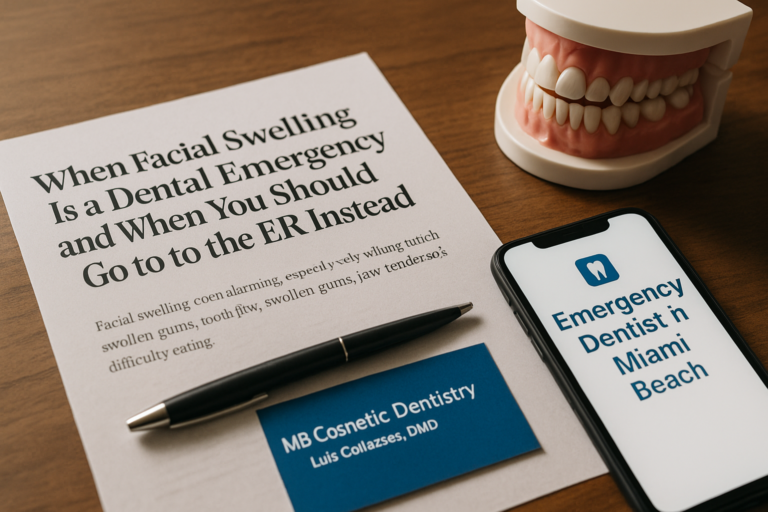
Facial swelling from tooth infection should always be taken seriously. Swelling in the cheek, jaw, or under the eye can suggest that infection has moved beyond the tooth or gums into surrounding tissues. This kind of swelling often needs same-day dental attention, and in some situations it may require medical care.
5. Pain with fever or feeling sick
When dental pain is combined with fever, chills, fatigue, or swollen glands, the situation may be more urgent. These symptoms can suggest that the infection is affecting more than just the immediate area around the tooth.
6. Trouble chewing, opening your mouth, or sleeping
If the pain or swelling is disrupting basic daily activities, that is a practical sign that waiting may not be a good idea. Difficulty opening the mouth fully can also indicate more extensive inflammation.
7. A cracked, broken, or deeply decayed tooth with swelling
Infection often begins after bacteria gain access through damage to the tooth. If a tooth is broken or badly decayed and you now have swelling or throbbing pain, urgent treatment may be needed to control the problem and determine whether the tooth can be saved.
When a Dental Abscess May Become a Medical Emergency
An abscess is always important, but not every abscess requires a hospital. Still, some symptoms go beyond the scope of a routine dental emergency and should be treated as potentially serious medical concerns.
Seek emergency medical care right away if you have:
- Difficulty breathing
- Difficulty swallowing
- Rapidly spreading swelling
- Swelling under the jaw or into the neck
- High fever
- Confusion, weakness, or signs of significant illness
- Inability to control swelling or pain while waiting for dental treatment
These symptoms may indicate that an infection is spreading into deeper spaces of the face or neck. In those situations, emergency medical services or a hospital may be more appropriate than waiting for a dental appointment.
Why Waiting Can Make the Problem Worse
One of the biggest mistakes people make is assuming the pain will pass. Sometimes it does lessen temporarily, especially if pressure from the infection changes or if drainage occurs. But pain relief does not always mean healing.
Delaying treatment can lead to:
- More extensive infection
- Increased swelling and discomfort
- Greater difficulty saving the tooth
- Need for more involved treatment
- Spread of infection into nearby tissues
That is why understanding when to see an emergency dentist for abscess symptoms matters. Prompt care may help relieve pain, identify the source, and reduce the risk of the problem progressing.
What an Emergency Dentist May Look For
When you see a dentist urgently for possible infection, the visit typically focuses on identifying the source of the problem and deciding what type of treatment is appropriate. This may include:
- Reviewing your symptoms and medical history
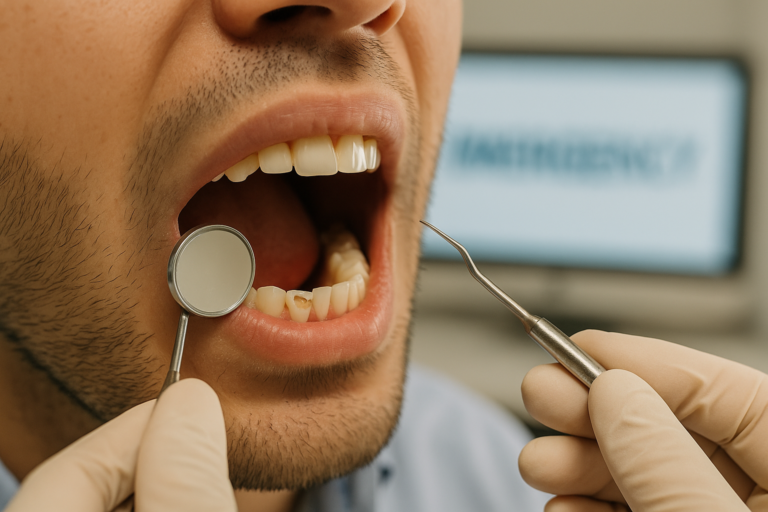
- Examining the tooth, gums, and surrounding tissues
- Checking for drainage, swelling, or areas of tenderness
- Taking dental X-rays to evaluate the tooth roots and bone
Depending on the findings, treatment may involve draining the infection, prescribing medication when appropriate, performing root canal treatment, recommending extraction, or planning follow-up periodontal care if the issue is gum-related.
Not every infection is treated the same way. The right option depends on where the infection is located, how advanced it is, and whether the tooth is restorable.
Possible Treatment Options for an Abscess or Severe Infection
After evaluation, a dentist may recommend one or more of the following:
Root canal treatment
If infection is inside the tooth and the tooth can be preserved, a root canal may be used to remove infected tissue, clean the canals, and seal the tooth. This is often recommended when the goal is to save the tooth structure.
Drainage of the infection
In some cases, relieving pressure and allowing drainage is part of urgent treatment, especially when swelling is present.
Tooth extraction
If the tooth is too damaged to save or the infection is severe, an emergency tooth extraction may be the best option.
Periodontal treatment
If the issue is primarily in the gums rather than the tooth pulp, treatment may focus on cleaning infected areas around the tooth and managing gum disease.
Medication
Antibiotics may be prescribed in some situations, particularly when there is spreading infection, swelling, or systemic symptoms. However, medication alone usually does not remove the source of a dental abscess. Definitive dental treatment is often still needed.
What You Can Do Before You Reach the Dentist
If you suspect an abscess or serious gum infection, there are a few basic steps that may help while you arrange care:
- Rinse gently with warm salt water
- Keep the area as clean as possible without aggressive brushing
- Take over-the-counter pain relief only as directed on the label, if appropriate for you
- Avoid very hot, very cold, or very sugary foods if they worsen pain
- Use a cold compress on the outside of the face if swelling is present
- Stay hydrated

You should also avoid a few common mistakes:
- Do not place aspirin directly on the gums or tooth
- Do not try to pop or cut the swelling yourself
- Do not rely on home remedies as a substitute for treatment
- Do not delay care simply because the pain comes and goes
Special Considerations for Travelers, Visitors, and Weekend Dental Problems
Abscesses and infections do not wait for a convenient time. People often develop severe tooth pain during weekends, holidays, or while away from home. That can be especially stressful for tourists, business travelers, hotel guests, and visitors who do not already have a local dentist.
In these situations, an office that provides emergency or walk-in dental care may be the most practical next step. Whether someone is dealing with an abscess, a broken tooth, a lost crown, or sudden swelling during travel, getting evaluated promptly can help prevent a vacation or work trip from becoming even more difficult.
For people searching online for an Emergency Dentist in Miami Beach, Urgent dentist Miami Beach, or a weekend emergency dentist, the priority should be finding timely professional evaluation rather than trying to manage significant infection alone.
How This Problem Relates to Other Dental Emergencies
Abscesses are only one part of emergency dentistry. Severe infection may also develop alongside or after other urgent dental problems, such as:
- Untreated severe toothache
- Broken or chipped teeth
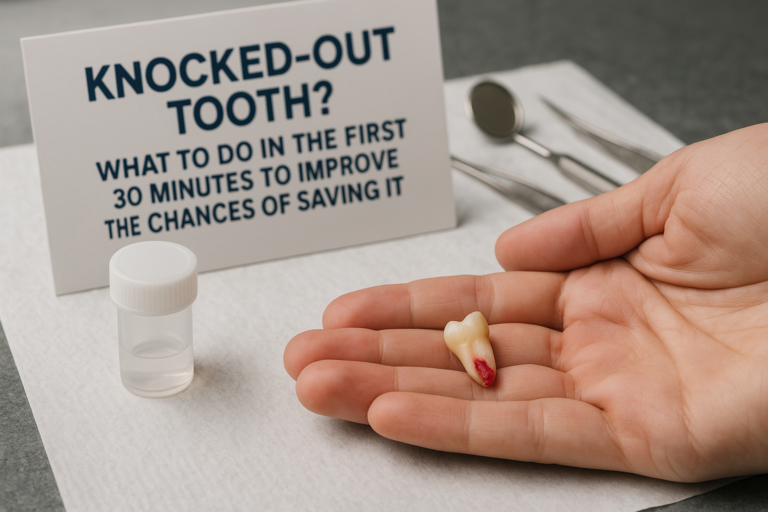
- Knocked-out or loosened teeth after injury
- Lost fillings or crowns that expose sensitive tooth structure
- Dental injuries affecting the root or surrounding bone
That is why emergency dental care often focuses not just on pain relief, but on identifying the underlying cause and protecting the tooth and nearby tissues from further damage.
If you are building a plan for oral health emergencies, it can be helpful to read related information about what to do during a dental emergency, severe toothaches, broken teeth, and emergency root canal or extraction treatment options.
Who May Be at Higher Risk for a Dental Infection?
Anyone can develop an abscess, but some factors may increase the risk:
- Poor oral hygiene
- Untreated cavities
- Previous dental trauma
- Cracked or broken teeth
- Advanced gum disease
- Dry mouth
- Delayed dental care for existing pain
People who already know they have a damaged tooth or chronic gum problems should be especially cautious if they begin to notice swelling, throbbing, drainage, or fever.
Prevention Still Matters, Even in Emergency-Focused Dentistry
Although urgent care is sometimes necessary, many abscesses can be reduced or prevented through routine dental visits and early treatment. Regular exams, professional cleanings, timely fillings, and evaluation of cracked or painful teeth can often stop small problems from becoming emergencies.
Paying attention to early warning signs also helps. A cavity that causes occasional sensitivity, a crown that feels loose, or gums that regularly bleed may not seem urgent at first, but postponing care can create the conditions for infection later.
Knowing When to Act
If you are trying to decide whether a dental infection can wait, focus on the overall pattern of symptoms rather than one sign alone. Worsening pain, visible swelling, drainage, fever, facial involvement, and difficulty chewing or sleeping are all meaningful red flags. These symptoms do not tell you exactly what the diagnosis is, but they do tell you it is time to seek prompt professional evaluation.
A possible abscess is not something to monitor for too long at home. Getting timely care can help determine whether the issue involves the tooth, the gums, or surrounding tissues and what treatment is needed next.
Conclusion
A dental abscess or severe gum infection can begin with what seems like a routine toothache or sore gum, then progress into a far more urgent problem. Recognizing the most important warning signs, including persistent throbbing pain, drainage, swollen gums emergency symptoms, and facial swelling from tooth infection, can help you make a faster and safer decision.
When symptoms are significant or worsening, it is generally best not to wait. Prompt dental evaluation can identify the source of the infection and guide appropriate treatment. And if swelling affects breathing, swallowing, or spreads quickly into the jaw or neck, emergency medical care should come first. Knowing the difference can protect both your oral health and your overall well-being.