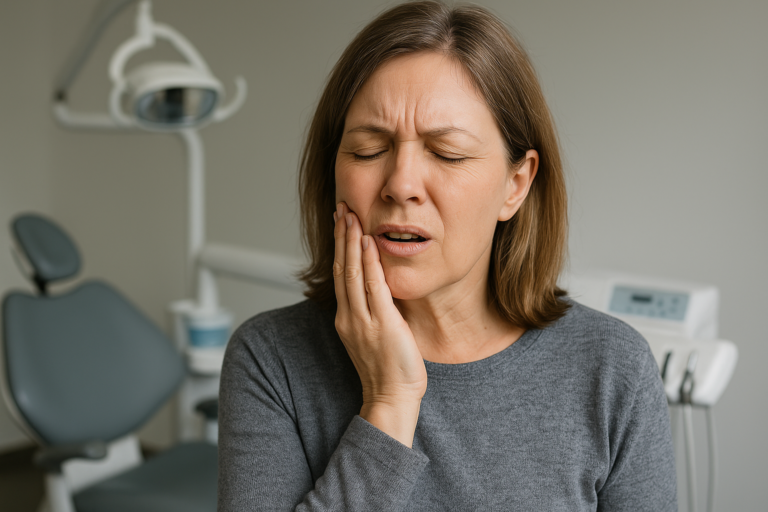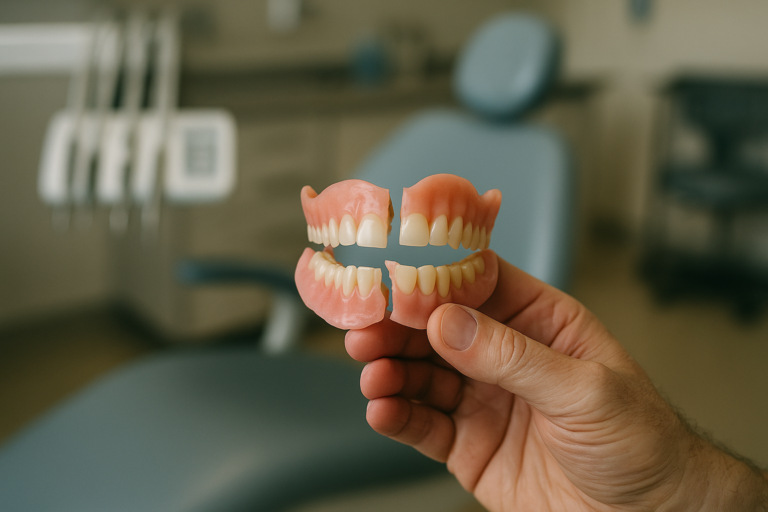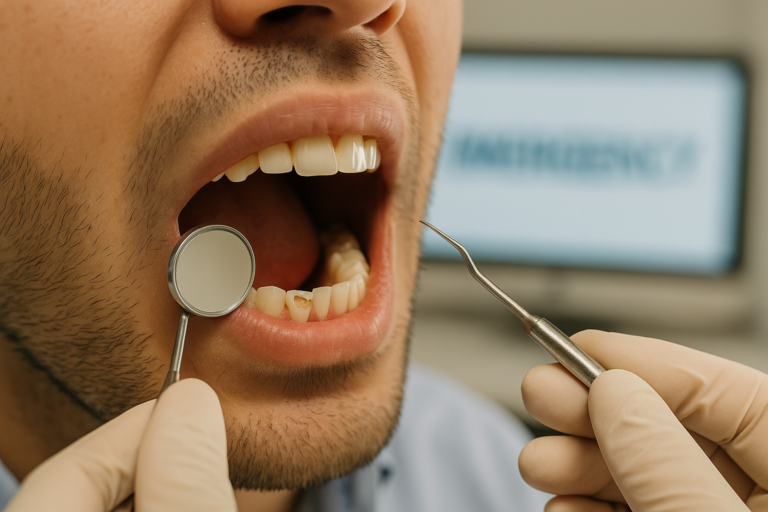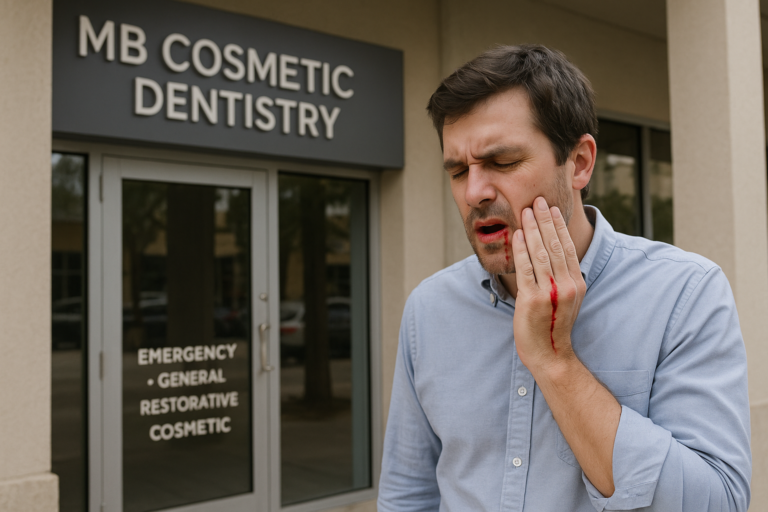
Yes, you can go to an emergency dentist for a broken veneer or other cosmetic dental damage. While not every chipped veneer repair needs same-day treatment, some situations do call for prompt care, especially if you have pain, sharp edges, exposed tooth structure, bleeding, swelling, or damage that affects how you bite or speak.
Cosmetic dental problems can feel minor at first, but they are not always just about appearance. A veneer that cracks, loosens, or falls off may leave the underlying tooth vulnerable to sensitivity, further breakage, or irritation to the lips, cheeks, and tongue. In some cases, what looks like a simple cosmetic issue may also involve a damaged natural tooth, dental bonding failure, a loose crown, or trauma from an accident.
If you are wondering whether an emergency dentist for broken veneer concerns is the right choice, the answer depends on your symptoms, the type of damage, and how quickly the problem is getting worse. The goal is not to panic, but also not to ignore a problem that could become more complicated if left untreated.
This guide explains when chipped veneer repair is urgent, what to do if a veneer falls off, how emergency dental care may help, and when a cosmetic dental emergency may require more immediate medical attention.
When a Broken Veneer Is a Dental Emergency
Not every broken veneer is a true emergency, but some cases should be evaluated as soon as possible. Veneers are thin coverings bonded to the front surface of teeth, usually to improve color, shape, or symmetry. Although they are durable, they can still chip, crack, or detach due to trauma, biting hard foods, grinding, or age-related wear.
You should seek prompt dental attention if any of the following apply:
- You have significant pain or throbbing
- The tooth is sensitive to air, heat, or cold
- A large portion of the veneer has broken off
- The underlying tooth appears cracked, jagged, or exposed
- The broken edge is cutting your tongue, lip, or cheek
- Your bite feels off or you cannot close your teeth normally
- The veneer came off after an accident or facial injury
- There is bleeding, swelling, or signs of infection
- The damaged tooth is also loose
In these situations, an urgent dentist may help protect the tooth, reduce discomfort, and prevent more serious damage.
When It May Be Urgent but Not an Emergency
Sometimes a veneer problem is important but not severe enough for after-hours care. For example, a small chip with no pain may not need immediate treatment the same day, but it should still be assessed promptly. Even minor cosmetic dental damage can worsen if you continue eating on that tooth or if the surface becomes rough and collects bacteria or plaque more easily.
Examples of problems that may be urgent, though not necessarily emergencies, include:
- A small visible chip with no pain
- A veneer that feels slightly loose but has not fallen off
- Minor cosmetic damage before an important event
- Rough edges that are annoying but not causing injury
- Loss of bonding material without severe sensitivity
In these cases, scheduling a prompt dental visit is usually wise, even if you are comfortable enough to wait a short time.
What to Do If a Veneer Falls Off
If you are searching for what to do if a veneer falls off, the first step is to stay calm. A lost veneer can be upsetting, especially if it is on a front tooth, but careful handling can help protect both the veneer and the underlying tooth until you are seen.
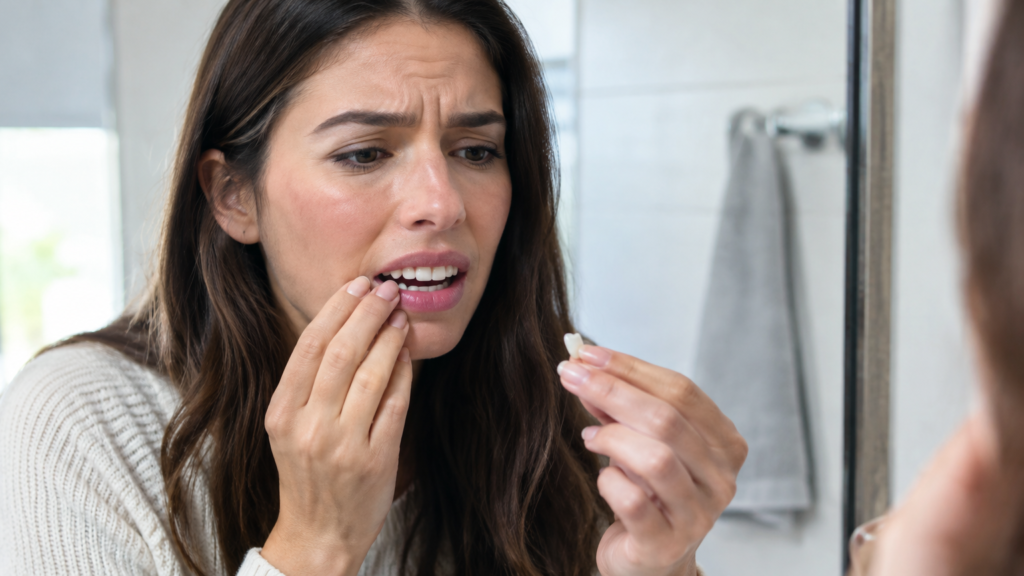
Immediate steps to take
- Remove the veneer from your mouth if it is loose. Do not leave it where it could be swallowed or inhaled.
- Store it safely. Place it in a clean container or small bag.
- Rinse your mouth gently. Use lukewarm water to clear away debris.
- Avoid trying to glue it back yourself. Household glues and over-the-counter adhesives are not safe for this purpose.
- Protect the exposed tooth. If the tooth feels sharp, you may be able to cover the area temporarily with dental wax sold in pharmacies.
- Eat carefully. Avoid very hot, cold, sticky, or hard foods until a dentist evaluates the tooth.
- Keep the area clean. Brush gently and avoid aggressive flossing around the affected tooth.
If the tooth is painful, visibly damaged, or very sensitive after the veneer comes off, contact a dentist promptly. The underlying tooth may need more than simple re-bonding.
What Causes Veneers to Break, Chip, or Come Loose?
Understanding why cosmetic dental damage happens can help you recognize whether it may involve more than the veneer alone. Common causes include:
- Biting hard foods such as ice, nuts, or hard candy
- Using teeth to open packages or bottles
- Teeth grinding or clenching, especially at night
- Sports injuries or falls
- Car accidents or other facial trauma
- Normal wear over time
- Decay or structural changes in the tooth under the veneer
- Changes in bite pressure
- Bonding failure or moisture contamination during function over time
If the damage followed a blow to the mouth, there may be hidden injury to the natural tooth, root, or supporting tissues even when the veneer damage looks minor.
Broken Veneer vs. Broken Tooth: Why the Difference Matters
Many patients are unsure whether they have a veneer problem, a tooth fracture, or both. That distinction matters because treatment urgency and options may differ. A chipped veneer repair may be relatively straightforward in one case, while another patient may need restorative treatment for the underlying tooth before a new veneer can even be considered.
| Situation | What It May Mean | Why Prompt Care May Help |
|---|---|---|
| Small chip in veneer, no pain | Likely limited cosmetic surface damage | Prevents roughness, staining, and further chipping |
| Veneer fell off, tooth feels sensitive | Underlying tooth may be exposed | Protects the tooth and reduces discomfort |
| Sharp edge cutting the tongue or cheek | Broken veneer or fractured tooth surface | Reduces soft tissue injury and irritation |
| Pain when biting or visible crack in the tooth | Possible underlying tooth fracture | Helps prevent worsening damage |
| Damage after an accident | Could involve tooth, root, gum, or bone injury | Allows full evaluation of trauma-related problems |
Because symptoms can overlap, a dental exam is often the best way to tell whether the issue is purely cosmetic or a more significant dental injury.
Can an Emergency Dentist Treat Cosmetic Dental Damage?
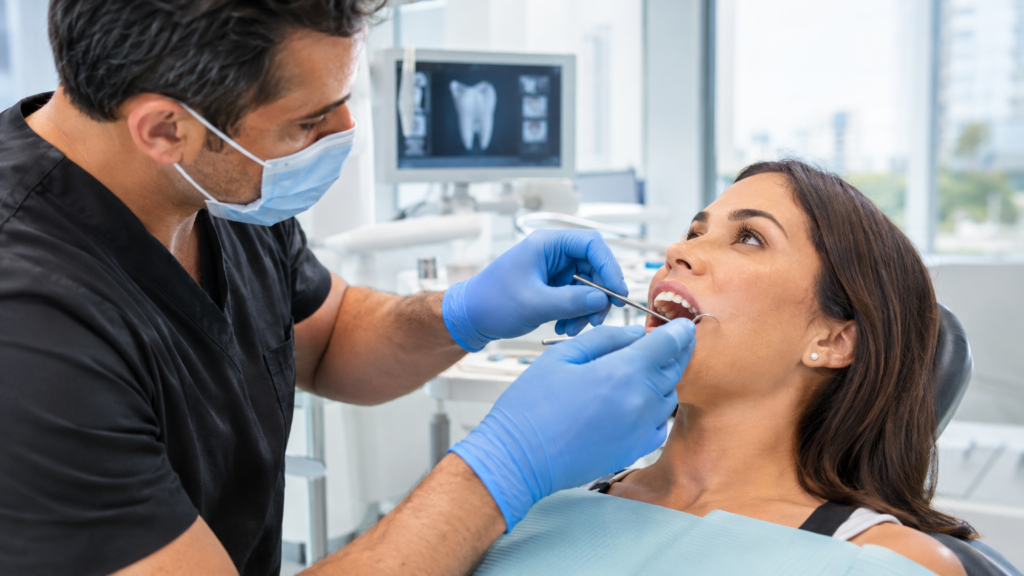
Yes. Emergency dental care is not limited to severe toothaches, knocked-out teeth, or infections. Dentists who provide urgent care commonly evaluate broken or chipped veneers, damaged crowns, lost fillings, fractured front teeth, and other sudden dental injuries.
Treatment during an emergency visit may depend on the condition of the veneer, the health of the tooth underneath, and whether there is active pain or trauma. Depending on the situation, a dentist may:
- Smooth a rough or sharp edge
- Re-bond a veneer if appropriate
- Place a temporary protective covering
- Recommend replacing the veneer
- Treat a cracked or chipped natural tooth
- Address pain, inflammation, or bite issues
- Take imaging if trauma or deeper damage is suspected
Emergency care may focus first on stabilizing the problem, relieving discomfort, and protecting the tooth. Final cosmetic treatment may happen the same day in some cases or at a follow-up appointment, depending on the complexity.
When Chipped Veneer Repair Should Not Wait
It is easy to assume a chipped veneer is mostly an appearance issue. However, delaying care can create avoidable problems in certain cases. Prompt evaluation is especially important when:
- The chip is large enough to change your bite
- The tooth feels sensitive or painful
- You see darkening, a visible crack, or exposed tooth structure
- The veneer damage happened during trauma
- The damaged edge keeps injuring soft tissue
- The veneer repeatedly loosens or falls off
Even if the final result is a replacement veneer rather than a repair, early treatment may help preserve more of the natural tooth and reduce the risk of additional damage.
What Not to Do After Cosmetic Dental Damage
Knowing what to avoid is just as important as knowing what to do. After a veneer breaks or comes off, try not to:
- Use super glue, nail glue, or other household adhesives
- Ignore pain, swelling, or sensitivity
- Chew on the affected side
- Bite into hard or crunchy foods
- Pick at the tooth with fingernails or tools
- Keep wearing a sports mouthguard or retainer that rubs painfully without asking a dentist for guidance
Improvised repairs can damage the tooth, irritate oral tissues, or make professional treatment more difficult.
Is a Lost Veneer Ever a Sign of a Bigger Problem?
Sometimes, yes. A veneer can detach because of normal wear or bonding failure, but it can also come off because the tooth under it has changed. Decay, fracture, grinding forces, or bite instability can all affect the long-term hold of a veneer.
That is one reason a lost veneer should not automatically be treated as a simple cosmetic inconvenience. If the underlying tooth has weakened, reattaching the veneer may not be the right solution. The dentist may need to evaluate whether the tooth needs a different restoration, such as bonding or a crown, or whether the bite needs adjustment to reduce repeated damage.
How Emergency Dental Care Differs From Medical Emergency Care
A cosmetic dental emergency can feel urgent without being life-threatening. A dentist is usually the right professional for problems like a broken veneer, lost veneer, chipped front tooth, or sudden dental pain related to a restoration.
However, some situations require emergency medical services or hospital care rather than waiting for a dental office visit. Seek immediate medical attention if you have:
- Trouble breathing or swallowing
- Rapidly increasing facial swelling
- Heavy bleeding that does not stop
- Head injury, loss of consciousness, or suspected jaw fracture
- Signs of a serious spreading infection, such as fever with severe swelling
These symptoms may point to a more serious medical emergency beyond a routine dental problem.
Special Considerations After Trauma to the Front Teeth
Veneers are often placed on front teeth, and those teeth are also commonly injured in falls, sports incidents, and travel-related accidents. If your veneer damage happened after trauma, a dentist may check more than the visible surface. The tooth pulp, root, supporting bone, neighboring teeth, and bite relationship may all need evaluation.
Even if the main concern seems cosmetic, trauma can cause hidden damage that does not show immediately. Pain on biting, color changes, mobility, or delayed swelling can develop later. That is why prompt follow-up matters after any impact injury to a veneered tooth.
If You Are Traveling or Away From Your Regular Dentist
Cosmetic dental damage often happens unexpectedly while dining out, playing sports, attending events, or traveling. If you are away from your usual dentist, urgent care is still appropriate when symptoms warrant it. Bring the veneer with you if it has come off, and if possible, know when the restoration was placed and whether it is porcelain or composite. That information may help guide temporary management and next steps.
Travelers may be tempted to wait until they return home, especially if the issue seems cosmetic. That may be reasonable for a very small painless chip, but if there is pain, sensitivity, trauma, or a sharp exposed area, getting prompt dental care is often the safer choice.
How Dentists May Repair or Replace the Damage
The right treatment depends on what actually failed. A dentist may be able to smooth a small rough area, repair a minor chip, re-cement a veneer that came off cleanly, or recommend full replacement if the veneer is cracked or no longer fits properly. If the natural tooth is damaged, treatment may first focus on restoring and protecting the tooth.
Common possibilities include:
- Polishing or smoothing a chipped area
- Bonding repair for select minor defects
- Re-bonding the original veneer when suitable
- Making a temporary restoration
- Replacing the veneer entirely
- Treating an underlying fracture, cavity, or bite issue
The exact option depends on the material, extent of damage, condition of the tooth, and whether the problem is isolated or part of a broader pattern such as clenching or grinding.
How to Reduce the Risk of Future Veneer Damage
After treatment, prevention matters. Veneers are durable but not indestructible. Steps that may help protect them include:
- Avoid chewing ice and very hard foods
- Do not use teeth as tools
- Wear a mouthguard for sports
- Ask about a night guard if you grind or clench
- Keep up with routine dental visits
- Address bite discomfort early
- Maintain excellent oral hygiene around veneered teeth
These habits may also help protect crowns, bonding, and natural teeth from avoidable injury.
Knowing When to Act Quickly
A veneer problem can range from a minor cosmetic inconvenience to a true urgent dental issue. The key is to pay attention to symptoms, not just appearance. If the tooth is painful, sensitive, sharp, unstable, or injured during trauma, it is reasonable to seek prompt evaluation from a dentist who handles urgent dental problems.
If the damage seems small and painless, you may not need immediate after-hours treatment, but it is still smart to arrange care before the problem worsens. Early attention often helps preserve treatment options and may prevent discomfort later.
Conclusion
You can absolutely see an emergency dentist for broken veneer concerns and other sudden cosmetic dental damage. In many cases, the issue is not purely cosmetic, especially when there is pain, tooth sensitivity, trauma, a sharp edge, or a veneer that has completely fallen off. Knowing what to do if a veneer falls off, avoiding do-it-yourself fixes, and seeking timely care when symptoms suggest a cosmetic dental emergency can help protect your tooth and reduce the chance of more extensive treatment later.
This article is for general education only and is not a diagnosis. If you have personal symptoms, worsening pain, swelling, or injury to the mouth or face, contact a qualified dental professional promptly, and seek emergency medical care right away for severe swelling, uncontrolled bleeding, difficulty breathing, or major facial trauma.