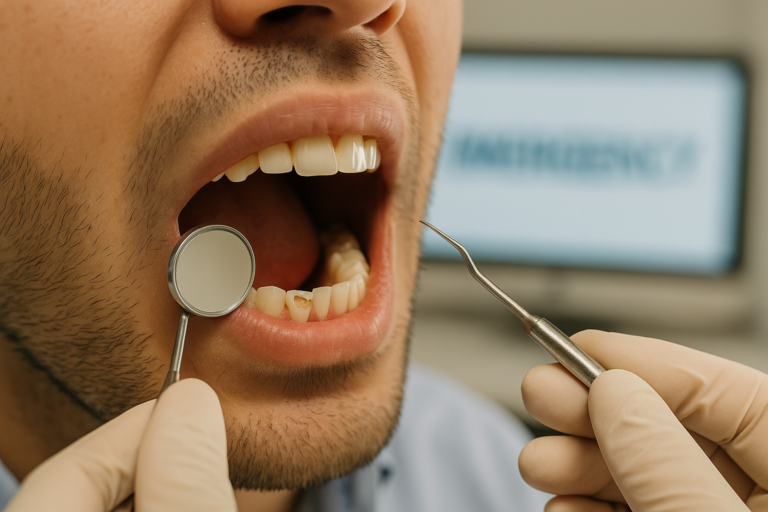
Jaw pain can be unsettling, especially when it comes with pressure, tenderness, swelling, or a sudden change in the way your teeth come together. Some cases are mild and temporary. Others may point to a problem that should be evaluated quickly by a dentist.
If you are wondering whether jaw pain is a dental emergency, the short answer is: sometimes. Tooth infections, dental abscesses, cracked teeth, gum inflammation, bite problems, and impacted teeth can all cause pain that seems to radiate into the jaw. In other situations, jaw discomfort may be related to clenching, joint irritation, sinus pressure, or a medical issue that is not primarily dental.
This article explains common dental causes of jaw pressure, why tooth pain with jaw pain can be a warning sign, and when trouble biting may mean you should seek urgent dental care. It is intended for general education only and cannot diagnose the cause of your symptoms. If you are in severe pain, have swelling, or are unsure whether your condition is urgent, prompt professional evaluation is the safest next step.
Why jaw pain can be related to your teeth
The teeth, gums, jawbone, chewing muscles, and jaw joints all work closely together. When one area becomes inflamed or injured, pain can spread. That is one reason a dental problem may feel like it is “in the jaw” rather than only in one tooth.
For example, an infected tooth may create deep, throbbing pain that radiates into the jaw, ear, or side of the face. A cracked tooth may hurt mainly when you bite down. Swollen gums around a wisdom tooth can create pressure at the back of the jaw. Even an uneven bite caused by a damaged crown or broken filling can leave the jaw feeling sore or strained.
This overlap is also why it is not always obvious whether you need an emergency dentist or another type of care. Looking at the whole pattern of symptoms matters.
Common dental causes of jaw pressure
Several oral health problems can create pressure, soreness, or a heavy feeling in the jaw. These are some of the more common dental causes of jaw pressure:
Tooth infection or dental abscess
A tooth infection can cause significant pain, sensitivity to pressure, swelling, and a feeling of fullness in the jaw. In some cases, the infection spreads into the surrounding gum and bone, creating an abscess. This may lead to:
- Throbbing tooth pain
- Jaw tenderness or pressure
- Swollen gums or a pimple-like bump near the tooth
- Bad taste or drainage in the mouth
- Facial swelling
- Fever or feeling unwell
This is one of the clearest situations in which jaw pain dental emergency concerns should be taken seriously. An untreated dental infection can worsen and may require urgent dental treatment.
Cracked, fractured, or broken tooth
A crack is not always visible, but it can make biting painful and send discomfort into the jaw. Some people notice sharp pain only when chewing or when releasing pressure after a bite. Depending on the depth and location of the crack, treatment may range from a filling or crown to root canal treatment or extraction.
Impacted or inflamed wisdom teeth
Wisdom teeth that do not erupt normally can lead to pressure, swollen gums, pain while chewing, jaw stiffness, and tenderness toward the back of the mouth. If bacteria become trapped under the gum tissue around a partially erupted tooth, infection can develop.
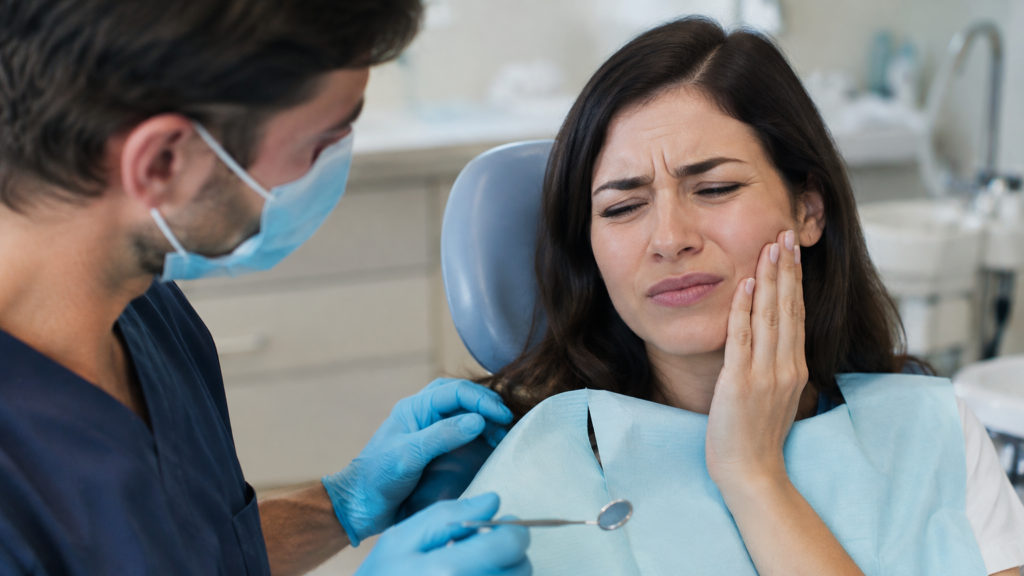
Severe gum inflammation or periodontal infection
Gum infections can sometimes create soreness, bad breath, swelling, and discomfort that seems to involve the jaw. Advanced gum disease may also cause tooth mobility and changes in how the teeth meet.
Bite problems caused by dental damage
If a filling falls out, a crown shifts, a tooth chips, or a tooth fractures, your bite may suddenly feel “off.” This can lead to trouble biting, jaw fatigue, and pain when chewing. A small change in tooth contact can irritate the bite and strain the surrounding muscles and joints.
Clenching and grinding
Although not always a true dental emergency, grinding and clenching can create jaw soreness, morning headaches, tooth sensitivity, and pain with chewing. In some people, these habits also contribute to cracked teeth or loosened restorations, which can become urgent dental problems.
Tooth pain with jaw pain: when the combination matters
Tooth pain with jaw pain is more concerning than isolated, mild jaw soreness that improves quickly. The combination may suggest that the source is inside the tooth, around the tooth root, or in the supporting gum and bone.
Pay attention if the pain is accompanied by any of the following:
- Swelling of the gums, cheek, or jaw
- Pain that wakes you up or keeps getting worse
- Sensitivity to hot, cold, or biting pressure
- A cracked, broken, or loose tooth
- Pus, drainage, or an unpleasant taste in the mouth
- Difficulty opening your mouth fully
- Fever or general illness
When these symptoms appear together, an urgent dental evaluation is often appropriate. The goal is not only pain relief, but also identifying whether there is an infection, structural damage, or another condition that could worsen if ignored.
Trouble biting: when to call an emergency dentist
Trouble biting can mean different things. You may feel pain when chewing, notice that your teeth no longer fit together normally, or avoid using one side of your mouth because it hurts too much. Sometimes this develops suddenly after dental trauma or while eating. In other cases, it comes on over a few days as inflammation builds.
You should seek prompt dental care if:
- Biting causes sharp or intense pain
- You cannot chew normally because one tooth feels too high or too tender
- Your bite suddenly changes after a filling, crown, injury, or broken tooth
- You have swelling or visible damage
- The pain is getting worse rather than better
A person searching for a trouble biting emergency dentist may be dealing with a cracked tooth, abscess, severe cavity, loose crown, or trauma-related injury. These conditions usually do not improve on their own.
Not every jaw symptom is a dental emergency
Jaw discomfort does not always mean you need same-day treatment. Mild temporary soreness can happen after chewing very hard foods, clenching during stress, or sleeping in a way that irritates the jaw muscles. Some people also develop discomfort from temporomandibular joint irritation, often called TMJ or TMD-related pain.
That said, the challenge is that early dental infections, cracked teeth, and gum problems can also begin with symptoms that seem manageable. If jaw pain lasts more than a day or two, keeps returning, or is combined with tooth pain, swelling, or trouble biting, it is wise to have it assessed.
| Symptom pattern | Possible concern | Recommended response |
|---|---|---|
| Mild jaw soreness after chewing, no swelling, improving | Muscle strain or minor irritation | Monitor closely and schedule a dental exam if it persists |
| Tooth pain with jaw pain when biting | Cracked tooth, deep decay, bite problem, infection | Contact a dentist promptly for evaluation |
| Jaw pressure with swollen gums or facial swelling | Dental abscess or spreading infection | Seek urgent dental care as soon as possible |
| Jaw pain after injury, with broken or loose teeth | Dental trauma or fracture | Arrange emergency dental care promptly |
| Jaw pain with chest pain, trouble breathing, or severe illness | Potential medical emergency | Call emergency medical services or go to the ER |
Signs that jaw pain may need urgent dental care
Some symptoms suggest that waiting could allow the condition to become more serious. Contact a dentist promptly if you have jaw pain along with:
- Facial swelling
- Swollen gums near one tooth
- A known broken, cracked, or knocked-out tooth
- Persistent bleeding in the mouth after an injury
- Severe pain that is not controlled with basic measures
- Pain when biting that prevents normal eating
- A lost filling or crown with significant pain
- Bad taste, discharge, or signs of infection
These situations often fall under emergency dental care because they may involve infection, structural damage, or urgent restorative needs.
When jaw pain could be a medical emergency instead
Some forms of jaw pain should not wait for a dental office. Seek immediate medical care or call emergency services if jaw discomfort occurs with symptoms such as:
- Chest pain
- Shortness of breath
- Sudden dizziness or fainting
- Severe facial swelling affecting breathing or swallowing
- Rapidly spreading swelling in the face or neck
- High fever with severe swelling and illness
- Major facial trauma or suspected jaw fracture
These signs may indicate a potentially life-threatening emergency or a condition that requires hospital-level care. A dentist can help with many urgent oral problems, but not every jaw symptom should be handled in a dental setting first.
What a dentist may check during an urgent evaluation
If you are seen for jaw pain, pressure, or trouble biting, the dentist will typically look at more than just the painful area. Depending on the situation, the exam may include:
- Checking the teeth for cracks, decay, looseness, or bite changes
- Evaluating the gums for swelling, infection, or periodontal concerns
- Testing teeth for sensitivity or signs of nerve involvement
- Assessing how your teeth come together when you bite
- Examining the jaw joint and chewing muscles
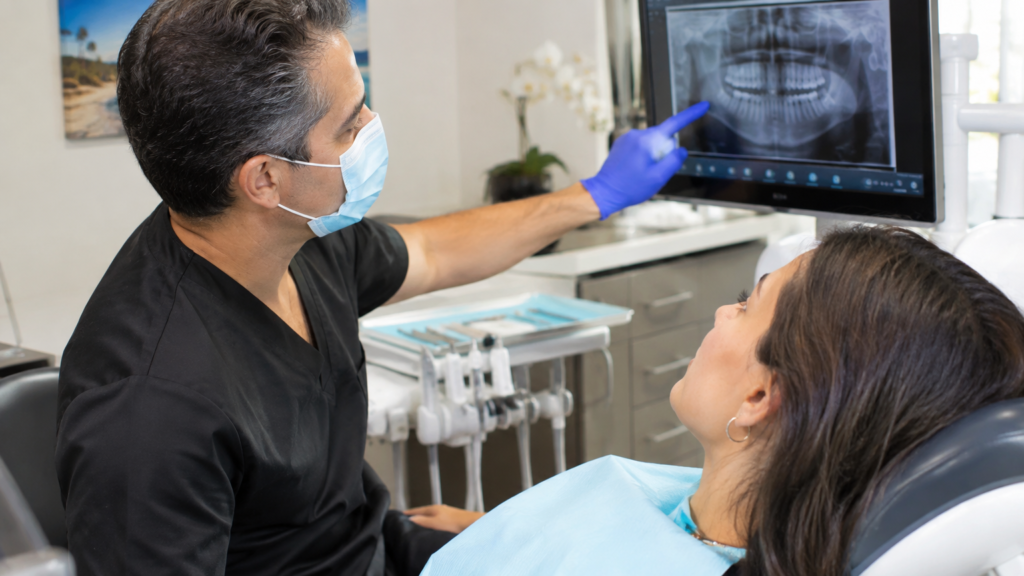
- Taking dental X-rays if needed to look for hidden infection, fractures, or impacted teeth
This kind of evaluation helps determine whether the problem may be treated with a filling, crown, root canal, bite adjustment, gum treatment, extraction, or referral for medical care when appropriate.
What you can do before you are seen
If you are dealing with jaw pain and suspect a dental problem, a few practical steps may help you stay more comfortable while arranging care:
- Stick to soft foods and avoid chewing on the painful side
- Rinse gently with warm salt water if your gums are irritated
- Use a cold compress on the outside of the cheek for swelling
- Keep the area as clean as possible with gentle brushing
- Avoid very hot, very cold, or sugary foods if they trigger pain
- If a crown or filling has come loose, keep it safe and bring it to the appointment if possible
Do not place aspirin directly on the gums or tooth, as this can irritate tissue. If you experience severe swelling, fever, or difficulty swallowing or breathing, seek urgent medical help.
Why delaying treatment can make the problem harder to fix
Many people hope jaw pain will settle down on its own, especially if the discomfort comes and goes. Sometimes that happens with minor muscle tension. But when the cause is dental, delay can allow an infection to spread, a crack to deepen, or decay to advance into the tooth nerve.
What begins as pain while biting may later require more extensive treatment. A lost filling can become a fractured tooth. A cavity can become an abscess. Swelling in the gums can evolve into facial swelling. Acting early can often reduce the risk of more complicated care.
Special considerations for travelers and unexpected dental problems
Jaw pain and bite problems do not always happen at a convenient time. People often experience urgent dental symptoms while traveling, attending events, or staying away from home. Changes in routine, delayed care, stress-related clenching, and accidental trauma while eating can all bring underlying issues to the surface.
If you develop tooth pain with jaw pain while away from your regular dentist, focus on finding a qualified dental office that offers urgent evaluations. Be ready to describe when the pain started, whether there is swelling, whether biting makes it worse, and whether you have had recent dental work or trauma.
If you have dental X-rays or treatment records available through a patient portal, those may also be helpful, though they are not always necessary for initial emergency care.
How this topic connects to other urgent dental problems
Jaw pain is often not a standalone issue. It may overlap with several other emergency dentistry concerns, including severe toothaches, broken or chipped teeth, dental abscesses, emergency root canal needs, emergency tooth extraction, lost fillings, and facial swelling.
For readers exploring related concerns, it can be helpful to also review information about what to do for a severe toothache, how to respond to a broken tooth, and the warning signs of a dental infection. Those topics often connect directly to the same symptoms discussed here.
Conclusion
Jaw pain, pressure, and trouble biting can have many causes, but dental problems are an important possibility, especially when symptoms are focused on one area of the mouth or occur along with tooth pain, swelling, or visible damage. A cracked tooth, tooth infection, abscess, gum inflammation, impacted wisdom tooth, or bite problem can all create discomfort that seems to come from the jaw.
The key is not to assume that every case is minor or that every case is an emergency. Watch for patterns that suggest urgent dental care may be needed, including worsening pain, swelling, pain with biting, fever, drainage, or facial tenderness. At the same time, know that severe swelling, trouble breathing, chest pain, or major trauma should be treated as medical emergencies.
When in doubt, timely professional evaluation is the safest way to find out what is causing the problem and what kind of treatment, if any, may be needed.