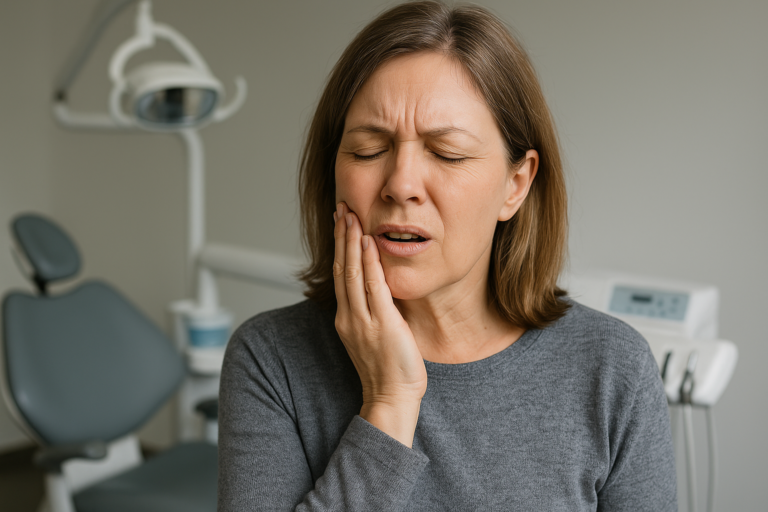
It can be unsettling to leave a dental appointment expecting relief, only to notice tooth pain after filling treatment. In many cases, some soreness or sensitivity is temporary and improves as the tooth settles down. In other situations, ongoing discomfort may be a sign that the bite needs adjustment, the tooth was already more inflamed than expected, or a deeper problem is developing.
If you have a sensitive tooth after filling work, the most important thing is not to panic, but also not to ignore symptoms that are getting worse. The pattern of pain often matters as much as the intensity. Mild cold sensitivity for a few days is very different from severe throbbing pain, swelling, or pain biting after dental filling treatment that makes it hard to chew.
This article explains what can be normal after a filling, what is not, and when a filling pain is an emergency or at least urgent enough to call a dentist promptly. This is general educational information, not a diagnosis. If you are in significant pain or notice swelling, fever, or trouble swallowing, seek professional care right away.
Is tooth pain after a filling normal?
Yes, some discomfort after a filling can be normal. A tooth may feel irritated after decay is removed and the area is cleaned, prepared, and restored. Even routine treatment can temporarily inflame the inner tissue of the tooth, especially if the cavity was deep or located close to the nerve.
Common short-term sensations after a filling may include:
- Mild sensitivity to cold, air, sweets, or pressure
- Tenderness around the injection site if local anesthetic was used
- A brief “zinger” sensation with temperature changes
- Minor soreness when chewing for a day or two
For many people, these symptoms gradually improve over several days to a couple of weeks. The exact timeline depends on the size and depth of the filling, the material used, how inflamed the tooth was before treatment, and how your bite contacts the restoration afterward.
What is not considered typical is severe pain, worsening pain, facial swelling, or a tooth that feels dramatically higher than the others when you bite down.
Why a sensitive tooth after filling treatment happens
A newly filled tooth can be sensitive for several reasons. Some are relatively minor and resolve on their own or with a simple adjustment, while others may need more involved treatment.
Normal irritation of the tooth nerve
The inside of the tooth contains living tissue. If decay was close to that tissue, cleaning out the cavity and placing a filling can trigger temporary inflammation. This can make the tooth react to cold, heat, sweets, or pressure for a short period.
The filling is a little too high
One of the most common reasons for pain biting after dental filling treatment is that the restored tooth hits first when you close your mouth. Even a tiny difference in height can put too much force on the tooth and make it feel sore, especially with chewing.
A high filling often causes:
- Pain when biting down
- The feeling that one tooth touches before the others
- Jaw soreness on that side
- Pain that is more pressure-related than temperature-related
This may improve only slightly on its own and often needs a quick bite adjustment by a dentist.
The cavity was deep
If the decay was extensive, the nerve may already have been irritated before the filling was placed. Sometimes the filling solves the problem, and the nerve calms down over time. In other cases, the nerve remains inflamed or becomes irreversibly irritated, and the tooth may later need root canal treatment.
Cracks, grinding, or heavy bite forces
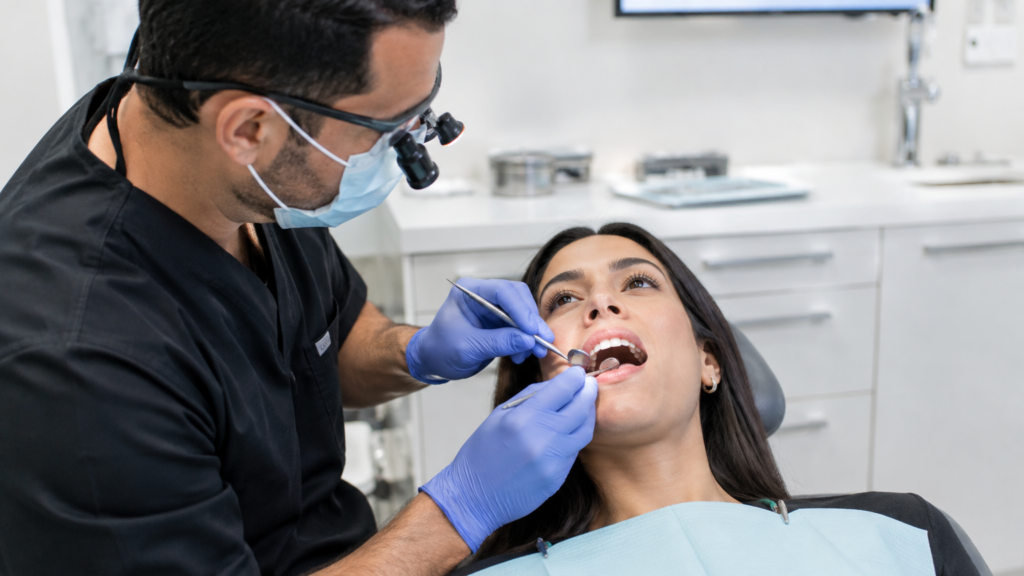
A tooth with a filling may also hurt because of a pre-existing crack or because clenching and grinding are putting excess stress on it. In these cases, pain may be especially noticeable when chewing or releasing after a bite.
Material-related sensitivity
Some patients notice temporary sensitivity because the tooth is reacting to temperature changes, bonding procedures, or the way the filling material transmits pressure. This is usually short-lived, but ongoing symptoms should be evaluated.
What symptoms are usually mild and temporary?
It may be reasonable to monitor your symptoms briefly if they are mild, stable, and gradually improving. Examples include:
- Cold sensitivity that lasts a moment and then fades
- Mild tenderness for a few days after treatment
- Slight discomfort when chewing that improves each day
- Awareness of the treated tooth without severe pain
Even when symptoms seem minor, they should trend in the right direction. If your discomfort stays the same, becomes more frequent, or starts waking you up, it is a good idea to contact a dentist rather than waiting too long.
When a filling pain is an emergency or should be seen quickly
Many post-filling problems are not true life-threatening emergencies, but that does not mean they should be ignored. Dental problems can worsen, and a painful tooth can interfere with eating, sleeping, and daily function. Knowing when a filling pain is an emergency helps you decide whether you can watch it briefly, schedule a prompt dental visit, or seek urgent care right away.
| Symptom | May be monitored briefly | Call a dentist promptly | Seek urgent medical help |
|---|---|---|---|
| Mild cold sensitivity for a few days | Yes, if improving | If lasting or worsening | No |
| Pain biting after dental filling | Only if very mild and improving | Yes, especially if the bite feels off | No |
| Throbbing or spontaneous tooth pain | No | Yes | If paired with swelling, fever, or severe illness symptoms |
| Visible swelling of gums, face, or jaw | No | Yes | Yes, especially if worsening quickly |
| Trouble swallowing or breathing | No | No | Yes, immediate emergency care |
| Fever with dental pain | No | Yes | Yes if significant swelling or illness is present |
Signs you should contact a dentist soon
- Pain that is moderate to severe instead of mild
- Symptoms that last longer than expected without improvement
- A tooth that feels too high when you bite
- Sharp pain when chewing
- Sensitivity to hot foods or drinks that lingers
- Pain that wakes you up or starts on its own
- A filling that feels loose, rough, or broken
These situations may not require an emergency room, but they do justify prompt dental evaluation. An urgent dentist can check the bite, assess the nerve, and decide whether the issue is temporary irritation, a filling adjustment problem, or something more serious.
Signs the problem may be more urgent
- Swelling of the gums, cheek, or jaw
- Pus, bad taste, or signs of infection
- Fever with tooth pain
- Rapidly increasing pain
- Severe pain with pressure or swelling around the tooth
These symptoms can point to infection or significant inflammation and should be assessed quickly. Emergency dental care may be appropriate if your dentist is unavailable.
When to seek emergency medical services or a hospital
Most filling-related pain is a dental issue, not a hospital issue. However, some symptoms can signal a potentially serious infection or another medical emergency. Seek immediate medical attention if you have:
- Difficulty breathing
- Difficulty swallowing
- Swelling spreading into the face, jaw, or neck
- High fever or severe illness symptoms
- Confusion, dehydration, or inability to keep fluids down
Those symptoms go beyond a routine dental concern and should not be managed at home.
Pain biting after dental filling: why it matters
If the main problem is pain biting after dental filling treatment, do not assume it will always fade with time. This type of discomfort often points to a bite issue, an inflamed ligament around the tooth, a crack, or a nerve that is not settling down normally.
People often describe this as:
- “It hurts when I chew on that side.”
- “The tooth feels tall.”
- “I get a sharp pain when I bite, especially on harder foods.”
- “I feel it when I release the bite.”
If the filling is slightly too high, a dentist may be able to adjust it quickly. If the tooth still hurts after adjustment, more testing may be needed to rule out a cracked tooth, deeper nerve irritation, or decay that was more extensive than it first appeared.
How long should a tooth hurt after a filling?
There is no single timeline that applies to every patient, but general patterns can be helpful.
Often considered within a normal short-term range
- Mild sensitivity for a few days
- Occasional cold sensitivity for up to a couple of weeks
- Minor chewing tenderness that steadily improves
Less reassuring patterns
- Pain that is not improving after several days
- Symptoms that get worse after initially seeming better
- Lingering hot sensitivity
- Throbbing pain or spontaneous pain
- Ongoing pain with chewing
The direction of the symptoms matters. A sensitive tooth after filling work should generally become less reactive over time, not more reactive.
What you can do at home while monitoring symptoms
If your symptoms are mild and you are not experiencing red-flag warning signs, a few simple steps may help reduce irritation while you arrange follow-up if needed:
- Chew on the opposite side for a day or two if possible
- Avoid very cold, very hot, or very sugary foods if they trigger sensitivity
- Use a soft-bristled toothbrush and brush gently
- Keep the area clean with normal brushing and flossing unless your dentist advised otherwise
- If appropriate for you medically, use an over-the-counter pain reliever as directed on the label
Do not place aspirin directly on the tooth or gum. That can irritate the tissues and does not treat the cause of the pain.
If the tooth feels clearly too high, home care will not correct the bite. That usually requires a dental adjustment.
What a dentist may check if the pain does not go away
If you return because of tooth pain after filling treatment, the dentist may evaluate several possible causes rather than assuming one explanation. Depending on the symptoms, an exam may include:
- Checking whether the bite is hitting too hard on the filled tooth
- Testing sensitivity to cold, heat, or pressure
- Looking for cracks or damage to the tooth structure
- Reviewing whether the cavity was deep or close to the nerve
- Taking an X-ray if needed to assess the tooth and surrounding bone
- Examining the filling margins for fit or defects
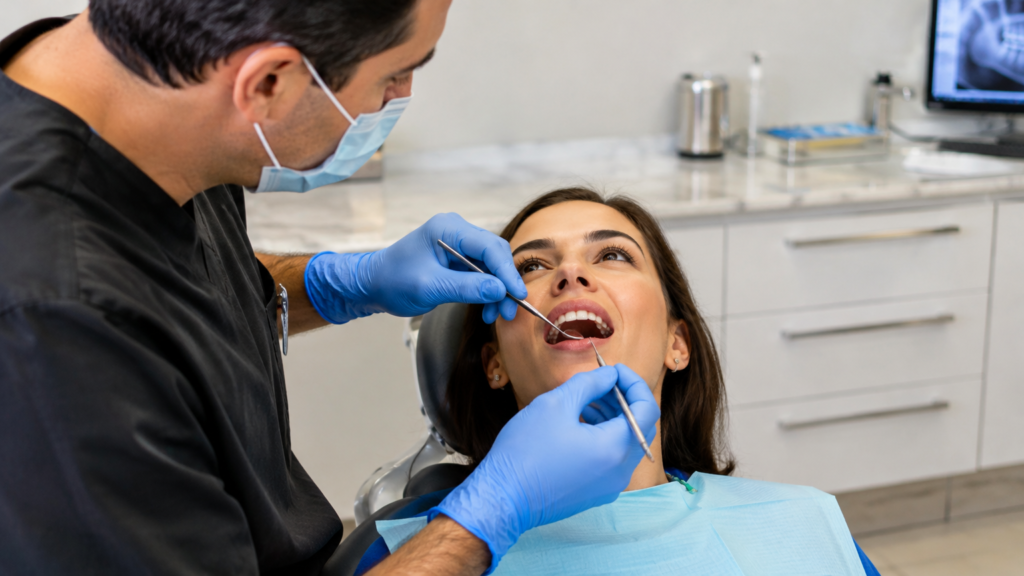
Treatment depends on the cause. In some cases, a simple bite adjustment is enough. In others, the tooth may need further restoration, a new filling, a crown, or root canal treatment if the nerve is badly inflamed or infected.
Special situations that deserve extra attention
Severe toothache after what seemed like a small filling
Sometimes a cavity looks limited from the outside, but the tooth was already irritated internally. If you develop a severe toothache after treatment, especially one that throbs or occurs without chewing, it is wise to get re-evaluated quickly.
Symptoms begin days or weeks later
Delayed pain can happen. The tooth may initially seem fine, then become more sensitive as inflammation develops, the bite stress builds, or an underlying crack becomes more obvious. Delayed symptoms still deserve attention if they are persistent or worsening.
Lost filling or broken filling
If part of the filling comes out, the tooth may suddenly become sensitive or painful. The exposed area can trap food and bacteria, increasing the risk of further damage. This is not always a hospital-level emergency, but it is a dental issue that should be addressed promptly.
Swollen gums near the treated tooth
Swelling around a filled tooth may come from local gum irritation, trapped debris, or something deeper such as infection. Because swelling can progress, it is better to have it assessed rather than guessing at the cause.
Why waiting too long can make the problem harder to treat
Not every painful filling becomes a major problem, but delaying evaluation can allow manageable issues to worsen. A simple bite adjustment may turn into ongoing inflammation. A reversible irritation may become more serious. A cracked or broken restoration may allow bacteria to enter deeper into the tooth.
Prompt attention matters most when pain is intense, chewing is difficult, or the symptoms suggest infection. People often wait because they hope the tooth will calm down on its own. Sometimes it does, but when it does not, early treatment is usually easier than waiting until the pain becomes disruptive or the swelling becomes visible.
How this fits into urgent and emergency dental care
Post-filling pain sits in a gray area for many patients. It may not feel dramatic enough to call an emergency dentist at first, but it can still need timely care. In practical terms:
- Mild, improving sensitivity can often be watched briefly
- Bite pain, worsening sensitivity, or spontaneous tooth pain should prompt a dental call
- Swelling, signs of infection, or severe pain may justify same-day emergency dental care
- Breathing or swallowing problems require emergency medical attention, not just a dental appointment
This distinction is important because people sometimes go to the wrong place for help. A dentist is typically the right professional for filling-related pain, bite issues, and most toothaches. A hospital is essential when symptoms suggest a potentially serious spreading infection or airway concern.
Conclusion
Tooth pain after filling treatment can be completely normal, but only up to a point. A sensitive tooth after filling work often settles with time, especially if the discomfort is mild and steadily improving. The bigger concern is pain that is worsening, lingering, triggered by biting, or accompanied by swelling, fever, or spontaneous throbbing.
If you are wondering when a filling pain is an emergency, the safest approach is to pay attention to the pattern. Mild short-term sensitivity is usually less concerning. Pain biting after dental filling treatment, a bite that feels off, severe toothache, or any sign of infection deserves prompt professional attention. And if you develop trouble breathing, trouble swallowing, or rapidly spreading swelling, seek emergency medical care immediately.
Because symptoms can overlap, only a qualified dental professional can determine what is causing the pain and what treatment, if any, is needed. When in doubt, getting the tooth checked sooner is often the best way to protect both your comfort and your oral health.