
When a tooth suddenly becomes intensely painful, swollen, or infected, many people want one immediate answer: should the tooth be saved or removed? In urgent situations, the decision between an emergency root canal vs extraction is not based on pain alone. Dentists look at the source of the problem, the condition of the tooth, the surrounding bone and gums, and whether the tooth can still function predictably after treatment.
Understanding these tooth infection treatment options can help you know what to expect during an emergency dental visit. In many cases, a root canal may allow a dentist to remove infected tissue and preserve the natural tooth. In other situations, an emergency tooth extraction may be the more appropriate choice because the tooth is too damaged, too loose, or not restorable. The right recommendation depends on a clinical exam, dental imaging, and the overall picture of your oral health.
If you are dealing with severe pain, swelling, a broken tooth, or signs of infection, timely evaluation matters. Waiting can make treatment more complex and may increase the risk of spreading infection or losing a tooth that might otherwise have been saved.
Why this decision matters in a dental emergency
In urgent dentistry, the goal is not simply to stop pain for the moment. Dentists also consider whether the affected tooth can remain healthy, functional, and stable long term. That is why the question is often more complex than save tooth or remove it.
A natural tooth is usually worth preserving when possible because it helps maintain normal biting function, supports the alignment of nearby teeth, and avoids the need for replacement options such as a bridge, denture, or dental implant. But preserving a tooth is only appropriate when the tooth can be treated effectively and restored properly afterward.
Extraction may be recommended when keeping the tooth would leave a poor long-term prognosis or create ongoing infection and structural problems. In short, dentists are not choosing between two interchangeable procedures. They are deciding which option is more appropriate for the specific emergency in front of them.
What an emergency root canal is meant to do
An emergency root canal is usually considered when the inner pulp of the tooth becomes inflamed or infected. This can happen because of deep decay, a large crack, trauma, repeated dental work, or a severe infection that reaches the nerve space inside the tooth.
During root canal treatment, the dentist removes the infected or damaged pulp tissue, disinfects the inside of the tooth, and seals the canals. In many cases, the tooth later needs a dental crown to help protect it from fracture and restore strength.
A root canal may be appropriate when:
- The tooth structure is still sound enough to restore
- The roots are stable in the bone
- Infection appears treatable without removing the tooth
- The surrounding gum and bone support are adequate
- Keeping the tooth would offer a better functional outcome than extraction
For people wondering when a root canal is needed urgently, the answer often involves severe pain, infection, pressure sensitivity, swelling, or evidence that the dental pulp is no longer healthy and cannot recover on its own.
When extraction may be the more appropriate emergency treatment
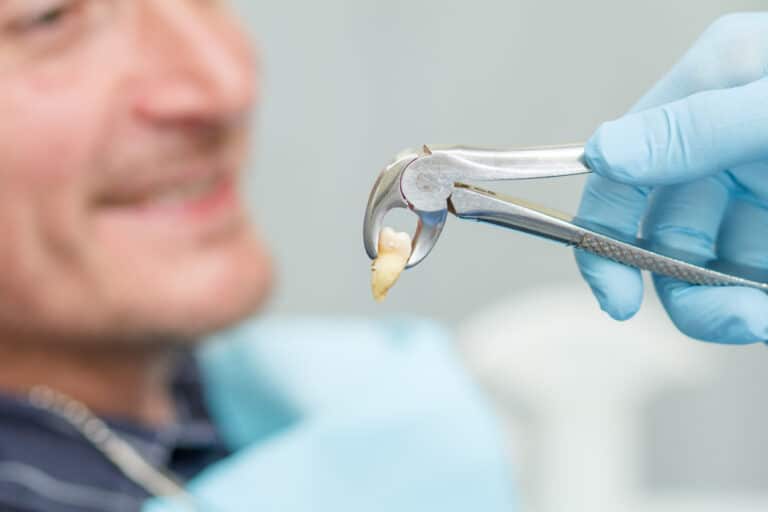
An extraction removes the entire tooth. While many people assume removal is the fastest or simplest option, it is not always the better long-term choice. Dentists usually recommend emergency tooth extraction when the tooth cannot be predictably saved or when removing it is the safest way to resolve the immediate problem.
Extraction may be considered if:
- The tooth is fractured far below the gumline
- Decay has destroyed too much of the tooth to restore it
- There is severe periodontal bone loss and the tooth is very loose
- The tooth has a poor prognosis even after root canal treatment
- An infection is associated with a non-restorable tooth
- The tooth is impacted or contributing to repeated infection
In these cases, removing the tooth may eliminate the source of infection or pain more predictably than trying to save a tooth with little remaining structure.
Key factors dentists evaluate before recommending root canal or extraction
1. Whether the tooth can be restored
One of the biggest factors is restorability. A tooth may have an infected nerve, but if enough healthy structure remains above or slightly below the gumline, it may still be rebuilt with a filling or crown after root canal treatment. If too much of the tooth is missing from decay, fracture, or old restorations, a root canal alone will not solve the problem because there may not be enough tooth left to support a durable restoration.
This is often the turning point in the emergency root canal vs extraction decision. If the tooth cannot be restored, saving it may not be realistic.
2. The location and severity of infection
Not every tooth infection automatically means extraction. Many infected teeth can be treated successfully with root canal therapy if the tooth itself is restorable. Dentists assess whether the infection is confined to the pulp and root area or whether there is more widespread destruction involving bone, gum tissue, or multiple spaces in the face.
A dental abscess can cause throbbing pain, tenderness, swelling, a bad taste in the mouth, or drainage. In some situations, the urgent priority is to control infection and pressure first. The definitive treatment may be root canal therapy or extraction depending on the condition of the tooth.
If swelling is spreading, swallowing becomes difficult, breathing feels affected, or there are signs of a potentially serious medical emergency, a hospital or emergency medical service may be necessary rather than waiting for a routine dental visit.
3. The type of crack or break
Some cracked or broken teeth can be saved. Others cannot. A small chip or a fracture limited to the crown of the tooth may still allow treatment with a root canal and crown if the pulp is affected. However, a vertical root fracture or a split tooth extending deep below the gumline often carries a very poor prognosis.
This is why imaging and a close exam matter so much. Two teeth may both feel painful after biting on something hard, but one may be salvageable while the other may need extraction.
4. Bone and gum support
A tooth with advanced periodontal disease may not have enough support to remain stable, even if the nerve infection could technically be treated. If the surrounding bone has receded significantly and the tooth is very loose, extraction may be more appropriate than root canal treatment.
Saving a tooth is not just about treating the inside of the tooth. It also depends on whether the tooth has a healthy foundation.
5. Position and function of the tooth
Dentists also think about how the tooth contributes to chewing, alignment, and long-term oral health. A strategic tooth that supports the bite may be more valuable to preserve when possible. On the other hand, a severely compromised wisdom tooth or a tooth with little functional value may be approached differently.
The decision is not purely mechanical. It is part of a broader treatment plan that considers the rest of the mouth.
6. Patient health history and preferences
Medical history, comfort level, timing, financial considerations, and long-term goals all matter. Some patients strongly prefer to preserve natural teeth whenever possible. Others may choose extraction after discussing the risks, benefits, and future replacement needs.
A dentist should explain the reasonable options, what each treatment involves, and what may be needed afterward so the patient can make an informed decision.
Common situations where a root canal may be recommended urgently
People often ask when a root canal is needed urgently. While only an exam can determine this, urgent root canal treatment may be considered in situations such as:
- Persistent severe toothache that does not improve
- Lingering sensitivity to hot or cold, especially with spontaneous pain
- Swelling near a tooth with deep decay or prior trauma
- Pain when biting due to pulpal inflammation or infection
- An abscessed tooth that is still structurally restorable
- A broken tooth exposing the pulp and causing intense discomfort
In these cases, root canal treatment may relieve the source of internal tooth pain while preserving the tooth. Sometimes an emergency visit focuses first on diagnosis, pain relief, drainage if needed, or placing a temporary measure before completing the full treatment.
Common situations where emergency extraction may be recommended
An emergency tooth extraction may be more likely when:
- The tooth has split into separate segments
- Decay extends too far below the gumline to restore
- There is severe infection around a tooth that cannot be saved
- A loose tooth has advanced bone loss
- Trauma has made the tooth non-restorable
- Repeated failure of previous treatment leaves poor remaining structure
Although extraction can resolve the immediate source of pain or infection, it also creates a gap that may need follow-up planning. Replacement may involve a dental implant, bridge, or another restorative option depending on the tooth and the patient’s needs.
Root canal vs extraction: short-term relief and long-term consequences
Some patients assume extraction is always the fastest path to relief. In certain emergencies, that may be true. But the long-term effects are important to consider.
Possible benefits of saving the tooth with root canal treatment:
- Preserves the natural tooth
- Maintains chewing efficiency and bite alignment
- Helps avoid shifting of surrounding teeth
- May reduce the need for replacement dentistry
Important considerations after extraction:
- The space may affect chewing or appearance depending on tooth location
- Nearby teeth can drift over time
- Opposing teeth may over-erupt
- Additional treatment may be needed to replace the tooth
That does not mean extraction is a poor choice. It simply means removal is usually not the end of the conversation. Dentists weigh both the emergency need and what comes next.

Pain level does not always determine the right treatment
A very painful tooth is not automatically a root canal tooth, and a less painful tooth is not automatically safe to ignore. Some infected teeth cause extreme throbbing, while others cause only pressure or swelling. In some cases, a dying nerve causes less sensitivity over time even as the infection worsens.
That is why pain alone cannot answer the question of save tooth or remove it. Clinical findings matter more than the pain scale by itself. Dentists look for decay extent, fracture lines, signs of infection, periodontal condition, x-ray findings, and the feasibility of restoring the tooth after treatment.
What happens during the emergency dental evaluation
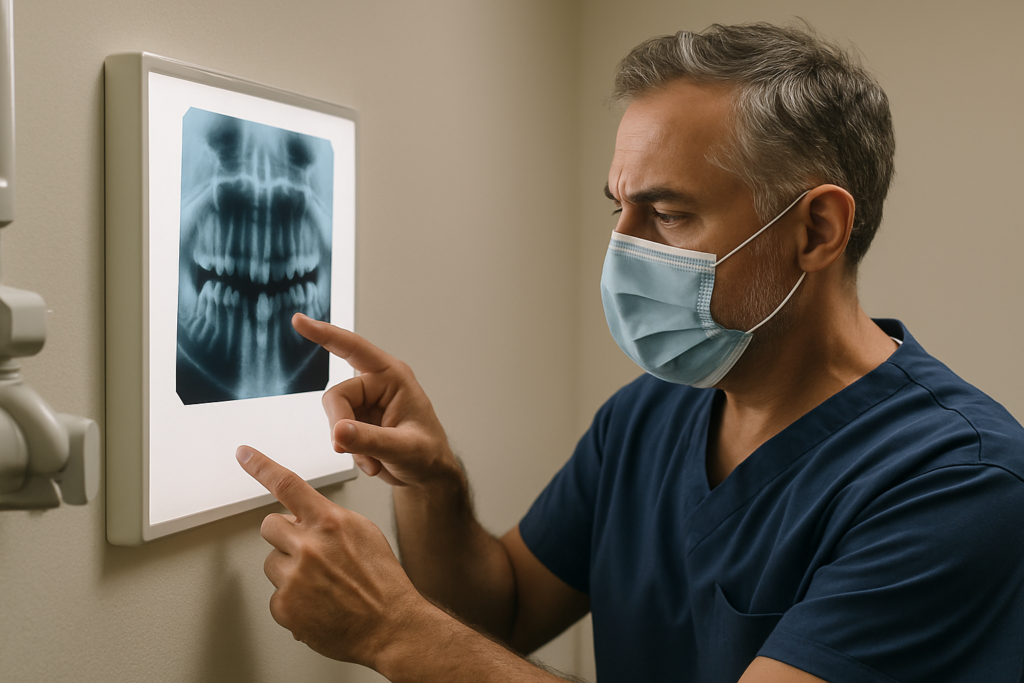
If you come in with sudden dental pain, swelling, or trauma, the visit typically starts with a review of symptoms and an exam. The dentist may take dental x-rays or other imaging to evaluate the roots, surrounding bone, and extent of decay or fracture. They may also test how the tooth responds to temperature, pressure, or percussion.
The purpose of the visit is to answer several key questions:
- What is causing the pain or infection?
- Is the tooth restorable?
- Is the problem limited to the tooth, or has it spread?
- Would root canal treatment be appropriate?
- Would extraction offer a better prognosis?
- Is immediate treatment needed, or should the area first be stabilized?
This evaluation is especially important in emergency cases because multiple conditions can feel similar to a patient but require different treatment paths.
What to do while waiting to be seen
If you think you may need urgent dental treatment, it is best to contact a dentist as soon as possible. While waiting for your appointment, practical steps may include keeping the mouth clean, avoiding chewing on the affected side, and using medications only as directed by a medical or dental professional. A cold compress on the outside of the face may help with swelling in some situations.
Do not place aspirin directly on the gums, and do not ignore facial swelling, drainage, fever, or rapidly worsening pain. These signs need prompt attention.
If you experience trouble breathing, trouble swallowing, severe facial swelling, or symptoms suggesting a serious spreading infection, seek emergency medical care immediately.
Why timely treatment may improve your options
One reason people lose teeth that might have been saved is delay. A cavity that reaches the nerve may still be treatable with a root canal if addressed in time. A cracked tooth may have a better chance of preservation before the crack spreads deeper. An infection that is managed early may stay localized rather than causing more extensive tissue damage.
Prompt care does not guarantee that every tooth can be saved, but it can improve the chance that more treatment options remain available. This is especially important for people dealing with severe toothaches, swelling, broken teeth, dental injuries, or signs of abscess.
How dentists help patients make the decision
The best emergency dental decisions are informed ones. Dentists typically explain the diagnosis, whether the tooth appears restorable, what root canal treatment would involve, when extraction may be more appropriate, and what future treatment might be needed either way.
For example, if a tooth can be saved but will require a root canal and crown, that should be discussed clearly. If extraction is recommended, replacement planning should also be part of the conversation so the patient understands the full picture rather than only the immediate procedure.
This shared decision-making process helps patients compare short-term relief with long-term function, cost, maintenance, and oral health goals.
Conclusion
The choice between an emergency root canal vs extraction depends on more than just how much a tooth hurts. Dentists look at whether the tooth can be restored, the extent of infection, the type of damage present, the condition of the surrounding bone and gums, and how the tooth fits into the overall health of the mouth. In many situations, preserving a natural tooth is preferred when it can be done predictably. In others, extraction may be the more appropriate and safer option.
If you are facing severe tooth pain, swelling, trauma, or suspected infection, the most important next step is a prompt professional evaluation. Early diagnosis can clarify your tooth infection treatment options and help determine whether the best path is to save tooth or remove it based on the actual condition of the tooth, not guesswork.