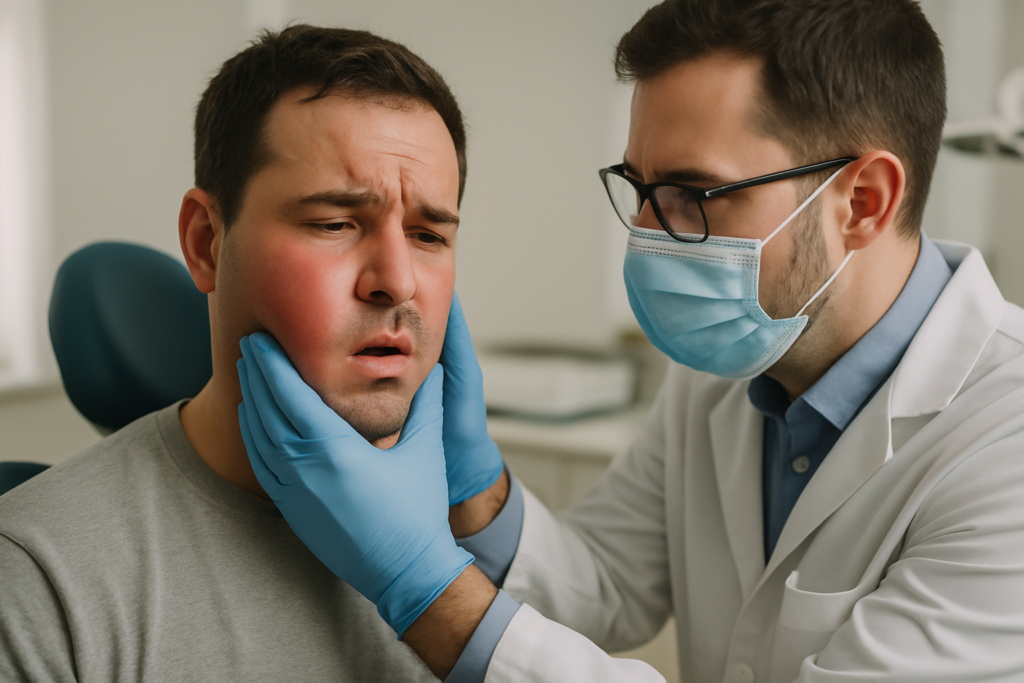
Facial swelling can be alarming, especially when it appears alongside tooth pain, swollen gums, jaw tenderness, or difficulty eating. In some cases, a swollen face from tooth pain points to a dental problem that should be treated by a dentist as soon as possible. In other cases, swelling may be a sign of a more serious infection or another medical condition that needs immediate emergency room care.
Knowing whether you need a dentist or ER for tooth infection concerns can help you act quickly and avoid delays in treatment. The key is not to guess based on pain alone. Swelling can have several causes, and some are more serious than others. A dental emergency with swelling may involve an abscessed tooth, a deep gum infection, trauma to the mouth, or inflammation after a broken tooth. But if swelling starts affecting breathing, swallowing, or the area around the eye, it may no longer be just a dental issue.
This guide explains when facial swelling is a dental emergency, when swelling is a serious dental issue that may require hospital care, and what steps to take while arranging treatment.
Why facial swelling can happen with dental problems
Facial swelling often develops when inflammation or infection spreads beyond the tooth itself. A problem that begins inside a tooth or around the gums can sometimes move into the surrounding soft tissue. Common dental causes include:
- Tooth abscess: A pocket of infection near the root of a tooth or in the gum tissue
- Severe tooth decay: Deep decay can allow bacteria to reach the inner pulp of the tooth
- Gum infection: Advanced gum disease or a localized gum infection may cause swelling
- Broken or cracked tooth: Damage can expose the inside of the tooth to bacteria
- Partially erupted tooth: Gum tissue around an erupting tooth can become inflamed or infected
- Recent dental trauma: A blow to the face or mouth can lead to swelling even without visible bleeding
Not every swollen face from tooth pain means the situation is life-threatening, but swelling should never be ignored. Even if the pain seems manageable, visible swelling often means the issue has progressed beyond a minor toothache.
Signs facial swelling is a dental emergency
Many cases of facial swelling dental emergency symptoms should be evaluated by a dentist promptly, ideally the same day. A dentist can assess the source, take X-rays if needed, and determine whether treatment such as drainage, antibiotics, a root canal, or an extraction may be appropriate.
Contact an emergency dentist promptly if you have facial swelling along with any of the following:
- Persistent or worsening tooth pain
- Swollen gums near one tooth
- Tenderness when biting or chewing
- A bad taste in the mouth or drainage from the gums
- Sensitivity to hot or cold that does not go away
- A broken tooth with swelling nearby
- Jaw soreness or pressure around a painful tooth
- A pimple-like bump on the gum
- Swelling that started near the tooth or gum and is gradually increasing
These symptoms may suggest an infection or significant inflammation that should be treated without waiting several days. Delaying care can make the problem more difficult to manage and may increase the risk of the infection spreading.
When swelling may require the ER instead of a dentist
Some symptoms suggest that facial swelling is no longer only a dental problem. In those situations, emergency medical care may be the safer first step. The ER is better equipped to manage airway concerns, severe spreading infection, significant dehydration, or complications affecting other parts of the face and neck.
Seek emergency medical attention right away if facial swelling occurs with:
- Difficulty breathing
- Difficulty swallowing
- Swelling under the jaw or into the neck
- Rapidly increasing swelling
- High fever or chills
- Confusion, weakness, or feeling faint
- Inability to open the mouth normally
- Swelling around the eye
- Severe facial trauma
These warning signs can indicate a serious infection, deep tissue involvement, or another medical emergency. If breathing is affected or swelling is progressing quickly, call emergency services rather than trying to wait it out.
This is one of the clearest answers to the question of dentist or ER for tooth infection concerns: if the swelling stays localized and you can breathe and swallow normally, an emergency dentist may be the right first call. If the swelling affects your airway, neck, eye area, or overall condition, go to the ER.
How to think about dentist vs ER for facial swelling
It may help to think of the decision in terms of stability versus danger signs.
Usually start with an emergency dentist when:
- The swelling seems centered around a tooth, gum, or jaw area
- You have dental pain, a broken tooth, or a known dental problem
- You are uncomfortable but otherwise stable
- You can breathe, swallow, speak, and open your mouth normally
- You do not have severe fever, major weakness, or rapidly spreading swelling
Usually go to the ER when:
- The swelling is spreading into the neck, under the jaw, or around the eye
- You have breathing or swallowing trouble
- You feel seriously ill
- The swelling is severe and getting worse quickly
- You recently had major facial trauma or suspect a fracture
In some situations, both types of care may be needed. For example, a hospital may stabilize a serious infection or manage urgent medical risks first, and dental treatment may still be needed afterward to address the source tooth.
Examples of dental swelling that should not be ignored
A toothache that suddenly causes one-sided cheek swelling
This pattern often suggests that infection or inflammation has spread beyond the tooth. Even if the swelling is still mild, this is usually not a problem to monitor for days at home. Prompt dental evaluation is important.
A broken tooth followed by gum and facial swelling
A cracked or broken tooth can expose deeper structures to bacteria. Swelling after a fracture may mean the pulp or surrounding tissue is irritated or infected. The tooth may need urgent treatment to prevent the issue from worsening.
Swollen gums with pressure and a bad taste
Drainage, pressure, or a bad taste in the mouth can occur with an abscess or gum infection. This type of dental emergency with swelling often requires urgent care even if pain temporarily improves.
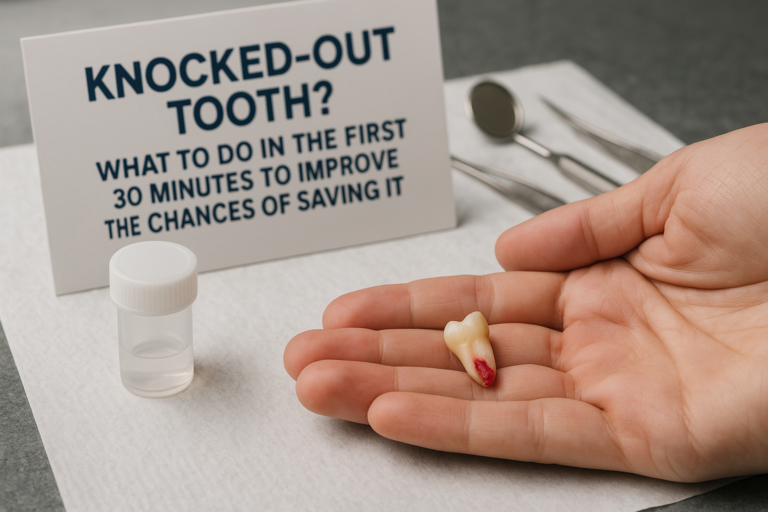
Swelling after a knocked-out or injured tooth
Dental trauma can cause soft tissue injury, bleeding, and inflammation. If there is heavy bleeding, suspected jaw injury, or concern about facial bones, medical evaluation may be needed in addition to dental care.
When swelling is serious dental issue territory even without extreme pain
People often assume that the more pain they feel, the more urgent the problem must be. But when swelling is a serious dental issue, pain does not always match the severity. Some infections create pressure and swelling without causing the worst pain a patient has ever felt. Others may drain intermittently, which can briefly reduce pain while the infection remains active.
That is why visible swelling, especially if it is new or increasing, deserves prompt attention even if the discomfort seems moderate. A lack of severe pain should not be used as reassurance that the problem is minor.
What an emergency dentist may do
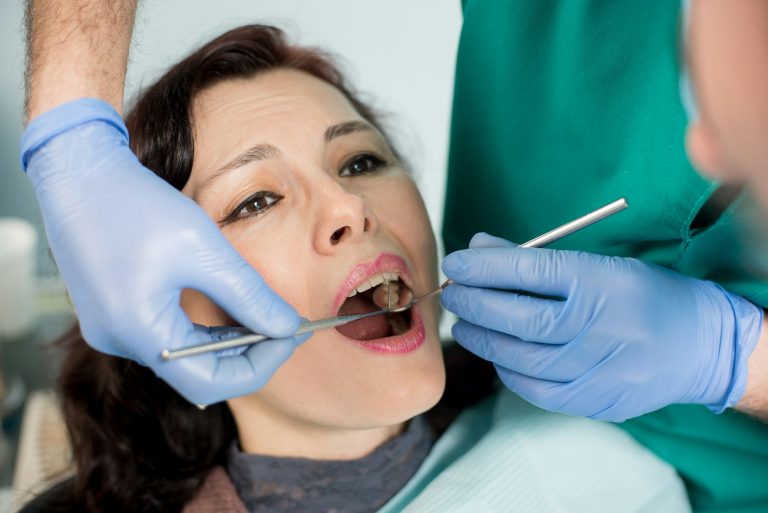
Treatment depends on the cause of the swelling. A dentist will first examine the area and determine whether the source appears to be dental. Imaging may be needed to look at the tooth roots, bone, and surrounding structures.
Depending on the findings, treatment may include:
- Draining an abscess when appropriate
- Prescribing medication if indicated
- Performing an emergency root canal to treat infection inside a tooth
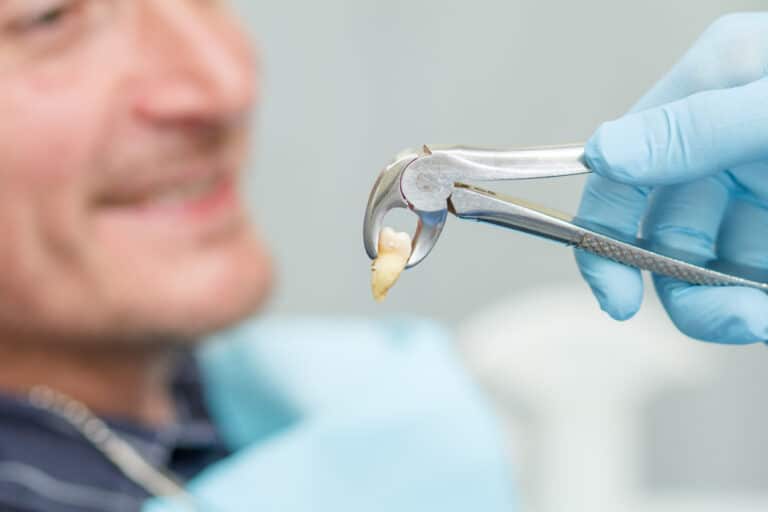
- Recommending an emergency tooth extraction if the tooth cannot be saved
- Treating a broken, cracked, or loose tooth
- Referring the patient for hospital care if warning signs suggest a more serious condition
The right treatment is based on the exam, not on symptoms alone. That is one reason professional evaluation matters when facial swelling develops.
What the ER may do
If swelling is severe or medically concerning, the ER may focus on stabilizing the patient, controlling a significant infection, evaluating the airway, managing dehydration, or assessing trauma. Emergency physicians can determine whether imaging, IV medications, or other medical support is needed.

However, it is important to understand that the ER may not provide the definitive dental treatment needed to remove the source of the problem. If the cause is a diseased tooth, dental follow-up is often still necessary after the medical emergency is under control.
What you can do while waiting to be seen
If you are arranging urgent dental care and do not have emergency warning signs, there are a few sensible steps that may help you stay more comfortable while you wait:
- Use a cold compress on the outside of the face for short intervals
- Keep your head elevated rather than lying flat
- Rinse gently with warm salt water if it feels soothing
- Avoid very hot, very cold, or very hard foods
- Do not place aspirin directly on the gum or tooth
- Take over-the-counter pain medication only as directed on the label, if appropriate for you
Avoid trying to pop, squeeze, or drain swollen areas yourself. Home treatment will not remove the cause of a dental infection, and self-treatment can make the situation worse.
Special considerations for travelers and visitors
Facial swelling can be especially stressful when it happens away from home. Travelers may delay care because they are unsure whether to call a dentist, urgent care center, or hospital. If you are visiting an unfamiliar area and develop a swollen face from tooth pain, focus first on the severity of your symptoms.
If breathing and swallowing are normal and the swelling seems connected to a tooth or gum problem, look for emergency dental care as soon as possible. If severe warning signs are present, go directly to the nearest emergency room. Acting quickly is usually more important than waiting to see whether the swelling settles down on its own.
How prompt treatment can help
Getting timely care for a facial swelling dental emergency may help by:
- Reducing the chance that infection will spread further
- Identifying whether the problem is truly dental or needs medical evaluation
- Relieving pressure and discomfort
- Protecting nearby teeth and gum tissue
- Helping you understand whether treatment such as a root canal or extraction is needed
Prompt treatment does not mean every swollen area is dangerous, but it does mean swelling deserves professional attention sooner rather than later.
Related dental emergencies that may occur with swelling
Facial swelling sometimes appears with other urgent dental problems, including severe toothache, swollen gums, lost fillings or crowns, broken or chipped teeth, knocked-out teeth, and dental injuries. In some cases, the visible swelling is only one part of a larger problem. For patients reading about emergency dental care, it can also be helpful to review related topics such as what to do for a broken tooth, signs of a dental abscess, or when a severe toothache needs urgent treatment.
Those issues often overlap, especially when infection, trauma, or untreated decay is involved.
Conclusion
Facial swelling should always be taken seriously, but not every case belongs in the emergency room. If swelling appears to be tied to a tooth, gum, or jaw problem and you are otherwise stable, an emergency dentist is often the right place to start. If the swelling is rapidly worsening or comes with trouble breathing, trouble swallowing, swelling near the eye, major illness, or severe trauma, the ER is the safer choice.
When swelling is serious dental issue territory, waiting too long can increase the risk of complications. The safest approach is to pay attention to the pattern of symptoms, avoid self-diagnosis, and seek professional care promptly so the underlying cause can be properly evaluated and treated.