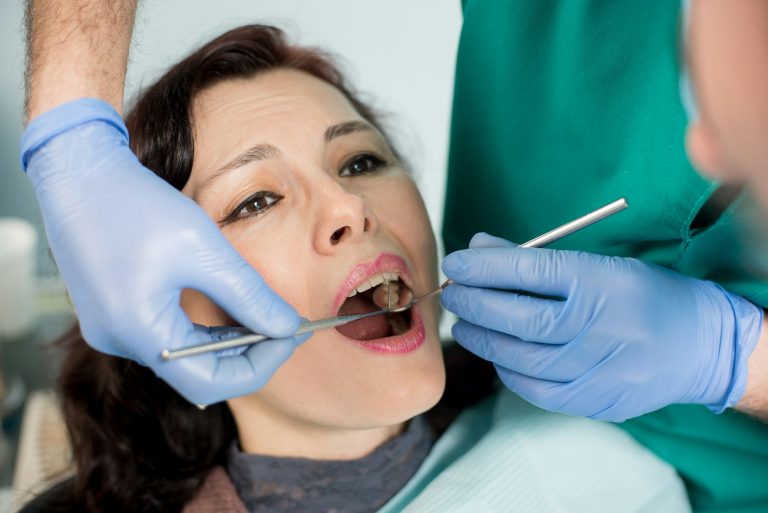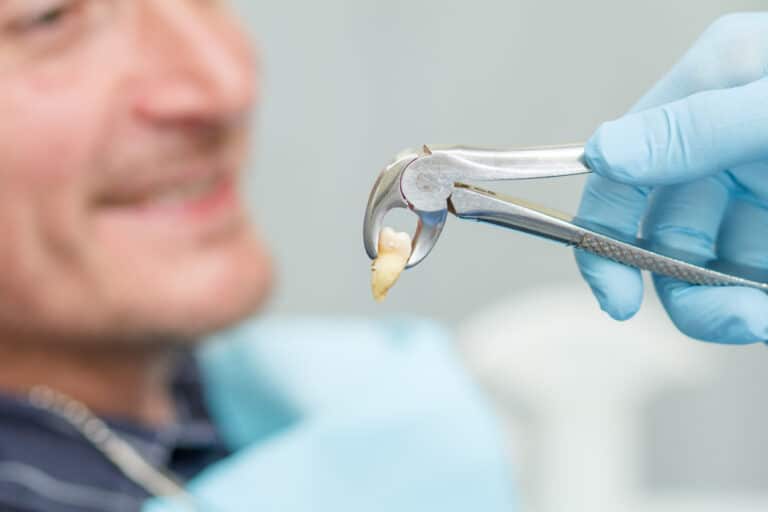
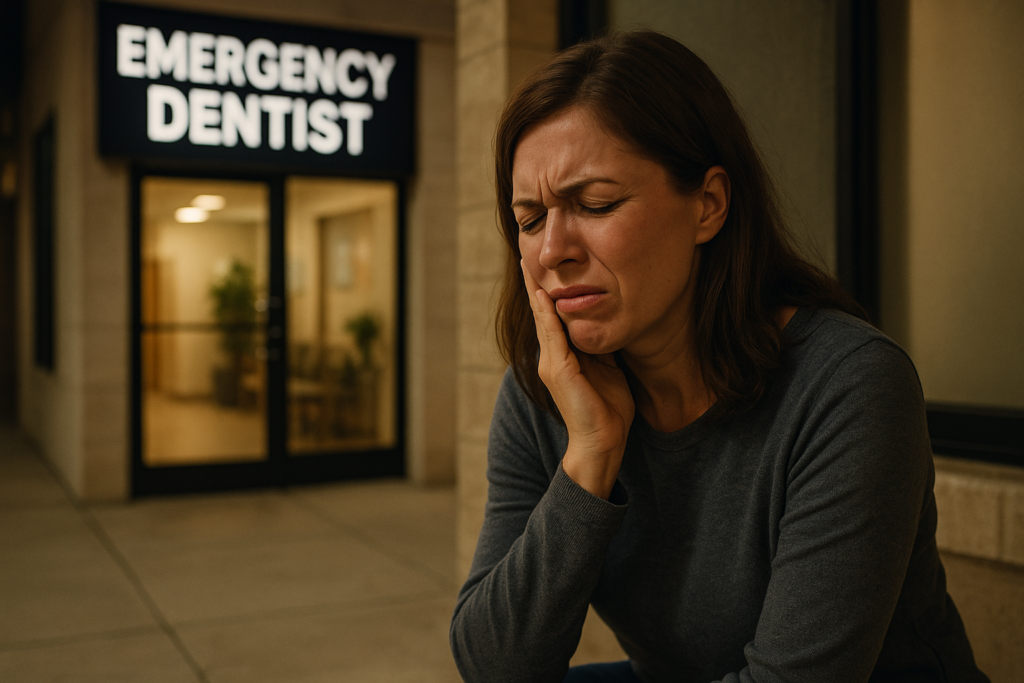
A severe toothache at night can feel overwhelming. Pain often seems stronger after dark, especially when you are lying down, trying to sleep, and unable to reach your regular dental office right away. In that moment, many people ask the same question: is this something that can wait until morning, or is this a situation where a severe toothache emergency dentist should be contacted now?
The answer depends on the symptoms, how quickly the problem is getting worse, and whether the tooth pain is happening by itself or along with swelling, fever, trauma, or other warning signs. Some cases of tooth pain at night are urgent but can usually wait for a prompt next-day dental visit. Others may need same-night or after-hours attention. A smaller number are not just dental emergencies at all, but medical emergencies that require immediate emergency medical care.
This guide explains when tooth pain is an emergency, when waiting until morning may be reasonable, and what you can safely do at home while arranging care. It is meant to help you respond calmly and appropriately, not to diagnose the cause of your pain from symptoms alone.
Why tooth pain often feels worse at night
People commonly notice that a toothache becomes more intense at bedtime. There are a few reasons for that:
- Less distraction: During the day, work, conversation, and movement can take your attention away from discomfort. At night, pain becomes harder to ignore.
- Lying flat: Reclining can increase pressure in the head and may make throbbing pain feel stronger.
- Inflammation: Tooth pain related to decay, infection, gum irritation, or trauma can intensify as inflammation builds.
- Clenching or grinding: Some people unknowingly clench their teeth when stressed or asleep, which can aggravate an already sensitive tooth.
Even though nighttime pain can feel dramatic, the intensity alone does not always tell you whether you need immediate treatment. The surrounding symptoms matter just as much.
Situations where a severe toothache may be able to wait until morning
Not every painful tooth requires an overnight call. In many cases, you should still seek urgent dental care for toothache, but a next-day appointment may be appropriate if the problem is painful yet stable.
Pain that is strong but controlled with basic measures
If the pain improves at least somewhat with standard over-the-counter pain medicine used as directed, a cold compress on the outside of the face, or avoiding chewing on that side, it may be reasonable to call first thing in the morning for an urgent dental visit.
Sensitivity without major swelling
Pain triggered by cold, sweets, biting, or pressure may point to a cavity, cracked tooth, worn filling, or irritated nerve. These issues should not be ignored, but if there is no major swelling, no fever, and no rapidly worsening pain, they can often wait until the office opens.
A lost filling or crown with discomfort but no severe swelling
A missing filling or loose crown can expose sensitive tooth structure and cause sharp pain, especially at night. This can still be urgent, but if the tooth is intact and you do not have facial swelling, uncontrolled bleeding, or signs of infection, contacting the dentist in the morning is often appropriate.
Mild to moderate pain after recent dental treatment
It is not unusual to have some soreness after a filling, crown preparation, root canal, or extraction. If the discomfort is not escalating and you were given normal post-treatment instructions, you may be able to monitor it until morning. However, worsening pain, swelling, bad taste, or fever should not be brushed off.

When tooth pain at night should prompt an emergency dental call
There are times when waiting may allow the problem to worsen. If any of the following apply, contacting an emergency dentist is often the safer choice.
Severe, constant, throbbing pain that will not ease
If you have intense pain that does not let up, keeps you from sleeping, and does not improve with recommended self-care steps, the tooth may have significant inflammation, deep decay, infection, or trauma. A severe, unrelenting toothache can require after-hours guidance or urgent evaluation.
Visible swelling in the gums, jaw, or face
Swelling is one of the biggest reasons to take nighttime tooth pain seriously. A puffy gum near one tooth may suggest infection or an abscess. Swelling that spreads into the cheek, jawline, or face is more concerning and can become harder to manage if ignored.
Pus, drainage, or a bad taste in the mouth
A foul taste, drainage from the gums, or a pimple-like bump near the tooth can be associated with infection. Even if the pain briefly decreases after drainage begins, the underlying problem still needs prompt professional treatment.
Fever or feeling generally unwell
Tooth pain accompanied by fever, chills, fatigue, or a general sick feeling should not be treated like an ordinary cavity. These symptoms can suggest a more serious infection and increase the urgency of dental evaluation.
Pain after a cracked, broken, or injured tooth
If the toothache started after you bit something hard, fell, were hit in the mouth, or noticed a crack or broken piece of tooth, do not assume it can wait. Dental injuries can expose the inner tooth, damage the nerve, or create sharp edges that injure surrounding tissue.
Pain with a knocked-out or partially displaced tooth
A knocked-out tooth is a time-sensitive dental emergency, even if pain is not the main symptom. The same is true for a tooth that has shifted position or feels loose after trauma. In these situations, seeking emergency dental care quickly matters more than trying to “sleep on it.”
Significant pain after swelling around a wisdom tooth
Pain, swelling, and difficulty opening the mouth around a partially erupted wisdom tooth can indicate a serious inflammatory or infectious problem. This can worsen quickly and deserves urgent attention.
When tooth pain becomes a medical emergency instead of only a dental emergency
It is important to distinguish when tooth pain is an emergency for a dentist and when it may require emergency medical services or a hospital.
Seek immediate medical care or call emergency services if tooth pain happens along with:
- Difficulty breathing
- Difficulty swallowing
- Rapidly spreading swelling
- Swelling affecting the eye area or floor of the mouth
- High fever or confusion
- Uncontrolled bleeding
- Serious facial trauma
These symptoms may indicate a potentially life-threatening problem. An emergency dentist can treat many urgent oral issues, but problems involving breathing, swallowing, deep infection, or major injury belong in emergency medical care immediately.
Common causes of severe nighttime tooth pain
You do not need to know the exact cause before seeking help, but understanding the possibilities can help explain why timely care matters.
Deep tooth decay
A cavity that reaches the inner part of the tooth can cause throbbing, lingering pain, especially with temperature changes or when lying down.
Inflamed or infected tooth nerve
When the pulp inside the tooth becomes severely inflamed or infected, pain may become spontaneous, severe, and difficult to control. This type of problem may lead to a root canal or, in some situations, extraction.
Dental abscess
An abscess is a pocket of infection that can develop near the root of a tooth or in the gums. It can cause swelling, pressure, foul taste, and severe pain. This is one of the most important reasons to seek urgent dental care for toothache.
Cracked tooth
A crack is not always visible. Some cracked teeth hurt sharply when biting or release, while others cause a lingering ache that becomes more obvious at night.
Gum infection or severe gum inflammation
Sometimes pain that seems like a toothache actually comes from inflamed or infected gum tissue. Food trapping, swelling, and tenderness around one area can become very uncomfortable after hours.
Grinding or clenching
Nighttime jaw tension can make teeth feel sore, especially if there is an existing filling, crack, or irritated nerve. While clenching alone is not always a dental emergency, the resulting pain can reveal an underlying problem that needs attention.
What you can do at home while waiting to be seen
If you are dealing with tooth pain at night and are trying to decide what to do next, a few safe steps may help reduce discomfort until a dentist evaluates you.
Rinse gently with warm salt water
A mild salt water rinse can help keep the area cleaner and may soothe irritated gum tissue. Do not rinse aggressively if the area is extremely tender or bleeding.
Use over-the-counter pain medicine as directed
If you normally can take them safely, standard nonprescription pain relievers may help reduce pain and inflammation. Follow the product label and any instructions from your physician or dentist. Do not exceed recommended doses.
Apply a cold compress to the outside of the face
If there is swelling or throbbing, place a cold pack or wrapped ice pack on the outside of the cheek for short intervals. Avoid placing aspirin or other medications directly on the gums or tooth, as this can irritate the tissue.
Keep your head elevated
Sleeping with your head raised may lessen pressure and reduce throbbing.
Avoid triggers
Stay away from very hot, very cold, sugary, or hard foods if they worsen the pain. Try chewing on the opposite side.
Keep the area as clean as possible
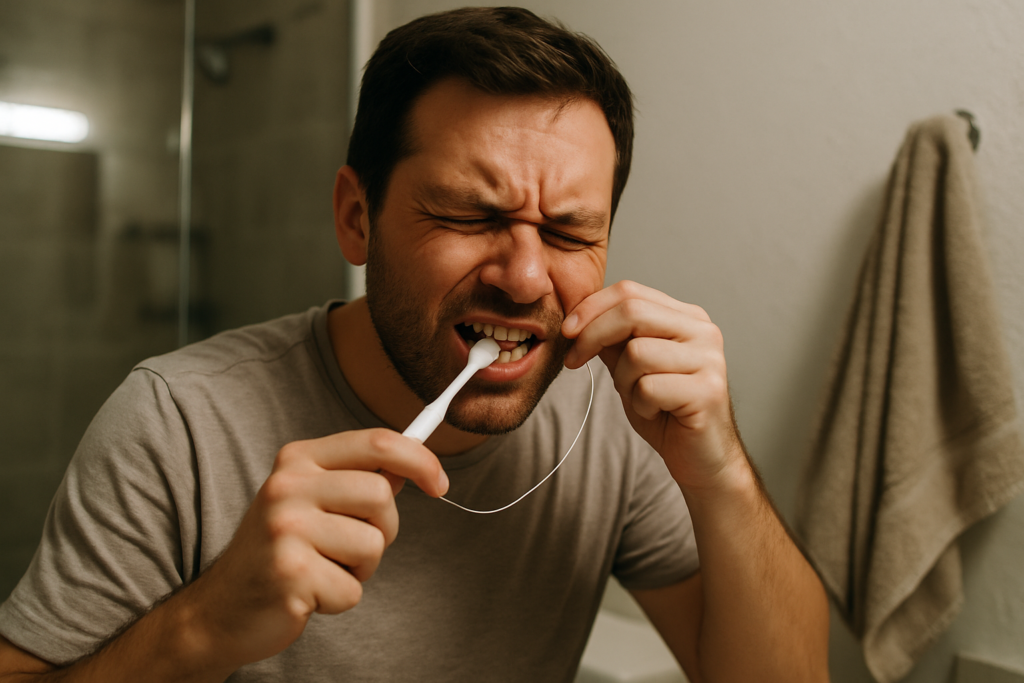
Brush gently and floss carefully unless this causes severe pain or there has been major trauma. Sometimes a trapped food particle can contribute to gum pressure around a tooth.
What not to do with a severe toothache at night
Good intentions can sometimes make the situation worse. Avoid these common mistakes:
- Do not ignore facial swelling and hope it will resolve on its own.
- Do not place aspirin directly on the gum or tooth.
- Do not use sharp tools to poke around the painful area.
- Do not apply heat to a swollen face unless a dental professional has told you to do so.
- Do not delay calling for help if symptoms are worsening quickly.
How to think through the decision: wait or call now?
When you are exhausted and in pain, it helps to simplify the decision. In general, waiting until morning may be reasonable if the pain is bothersome but stable, there is no major swelling, no trauma, no fever, and symptoms respond somewhat to temporary home care.
Calling an emergency dentist is more appropriate when pain is severe and persistent, sleep is impossible, swelling is present, infection seems possible, the tooth was injured, or the problem is getting worse by the hour.
If you are unsure, it is usually better to ask for professional guidance than to guess. Emergency dental teams are used to helping patients determine whether same-night care is needed or whether a prompt morning appointment is enough.
Special concerns for travelers, visitors, and hotel guests
Nighttime tooth pain can be especially stressful when you are away from home. Tourists, business travelers, and hotel guests may not know where to turn or whether their problem counts as urgent. In that situation, focus on the same warning signs: severe uncontrolled pain, swelling, fever, drainage, trauma, or a knocked-out tooth all make prompt dental contact more important.
If you are traveling, keep any recent dental records, medication list, and health insurance information handy if available. If a restoration like a crown or filling came out, bring it with you if you can do so safely. If a tooth has been knocked out, handling it properly and seeking help quickly can matter significantly.
How an emergency dentist may help
A severe toothache does not always have the same treatment. The right approach depends on the cause. After examining the area and taking any needed images, a dentist may recommend one or more of the following:
- Temporary or definitive treatment to relieve pressure or pain
- A filling if decay is limited
- A crown for a damaged or weakened tooth
- Root canal treatment for an inflamed or infected nerve
- Treatment for a dental abscess or gum infection
- Emergency tooth extraction when the tooth cannot be saved or the situation requires removal
- Care for a broken, chipped, or injured tooth
The key point is that a nighttime toothache is a symptom, not a final diagnosis. Appropriate treatment starts with timely evaluation.
Why delaying too long can create bigger problems
Many people try to push through dental pain because they hope it will settle down by itself. Sometimes pain does fade temporarily, but that does not necessarily mean the issue is gone. In fact, pain that suddenly decreases after severe toothache can occur when the tooth nerve is no longer responding normally, while infection may still remain.
Delays can allow decay to deepen, cracks to worsen, or infection to spread. That may turn a simpler repair into a more complex one. Even when the problem is not dangerous overnight, prompt follow-up often helps preserve more treatment options.
Conclusion
A severe toothache at night can be frightening, but the right next step depends on more than pain alone. If the discomfort is strong yet stable, with no significant swelling, no trauma, no fever, and some relief from temporary home care, it may be reasonable to arrange an urgent dental visit in the morning. If the pain is intense and unrelenting, accompanied by swelling, drainage, fever, injury, or signs of infection, calling an emergency dentist is often the better choice.
Most importantly, do not ignore red-flag symptoms such as difficulty breathing, difficulty swallowing, rapidly spreading swelling, uncontrolled bleeding, or major facial trauma. Those situations require immediate emergency medical attention.
Nighttime tooth pain is never convenient, but acting promptly and appropriately can help limit complications and get you to the care you need sooner.