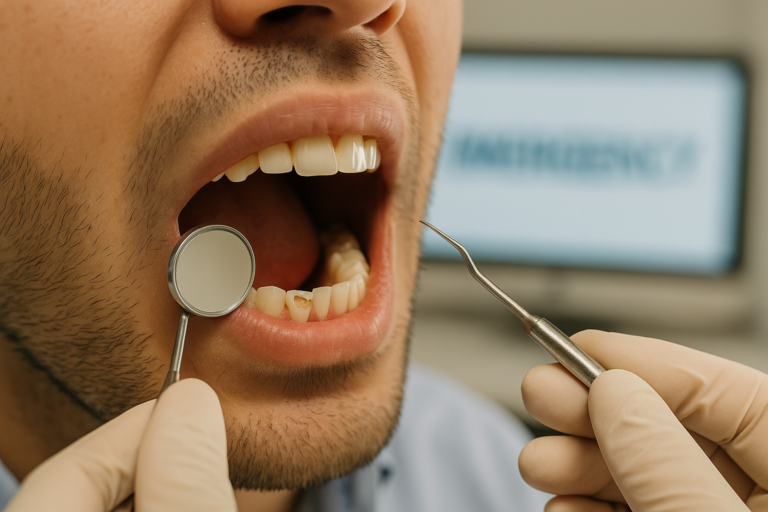
If you have pain when biting but cannot see a chip, cavity, or swelling, it is easy to assume the problem is minor and will pass on its own. Sometimes the cause is something relatively simple, such as irritation from clenching or a bite that suddenly feels off. In other cases, a tooth that hurts when biting down can point to a deeper problem that is not visible in the mirror, such as a hidden crack, an inflamed ligament, a loose filling, or irritation inside the tooth.
That does not automatically mean you have a severe emergency. But it does mean the tooth deserves attention, especially if the pain is getting worse, keeps returning, or is accompanied by sensitivity, swelling, or pressure. A painful bite can be a sign that waiting may allow the problem to progress from irritation to infection, fracture, or the need for more extensive treatment.
This article explains common reasons biting may hurt even when there is no obvious damage, how to tell when the issue may require emergency dental care, and what to do before you are evaluated by a dentist. This information is for general education only and is not a diagnosis. A licensed dentist needs to examine the tooth to determine the actual cause.
Why a tooth can hurt when biting down even if it looks normal
Teeth can develop painful problems below the surface. The enamel you see may look intact while the structures inside or around the tooth are irritated or damaged. Pain with pressure often comes from inflammation in the tooth, the ligament that supports it, or a crack that is too fine to notice.
Common possibilities include:
- Hidden cracked tooth symptoms: a tiny fracture may only hurt when force spreads the crack slightly during chewing.
- Inflamed tooth pulp: the nerve tissue inside the tooth can become irritated from decay, trauma, grinding, or an old filling.
- Periodontal ligament strain: the ligament around the tooth may become inflamed if the tooth is hit, overloaded, or affected by clenching.
- A high filling or crown: even a small change in bite pressure can make one tooth feel sore when you close down.
- Early infection or abscess: pressure sensitivity can sometimes appear before swelling becomes obvious.
- Gum-related problems: localized gum inflammation or food trapped near the tooth can create tenderness when biting.
- Sinus pressure: upper back teeth may feel sore with pressure during sinus congestion, even though the teeth themselves are healthy.
Because several different conditions can cause similar symptoms, pain when chewing cannot be accurately diagnosed from symptoms alone. That is one reason persistent bite pain should not be ignored.
Common causes of bite pain without visible damage
Hidden cracks
One of the more important causes of pain when chewing is a cracked tooth that is too small to see. Cracks may develop from grinding, chewing hard foods, aging restorations, temperature changes, or a past injury. Some cracks only cause occasional sharp pain when you release your bite. Others begin as mild discomfort and become more consistent over time.
A crack is concerning because it can worsen gradually. The tooth may look normal on the outside while the fracture extends into deeper structures.
Inflammation inside the tooth
The pulp inside the tooth contains nerves and blood vessels. If it becomes inflamed, chewing can trigger soreness or throbbing. This may happen because of deep decay, an old filling, repeated dental work, trauma, or a crack. Sometimes the tooth also becomes sensitive to cold, heat, or sweets. In some cases, the discomfort fades and then returns more strongly later, which can be a sign that the problem is progressing rather than resolving.
Bite imbalance or pressure from clenching
If you grind your teeth or clench your jaw, one tooth may become overloaded and start to hurt with pressure. This can happen even if the tooth itself is not decayed or broken. A filling or crown that sits slightly too high can create a similar effect. Patients often describe this as one tooth suddenly feeling “taller” or sore to touch when they bite.
Loose or failing dental work
A filling, crown, or bonding may appear intact but still leak, shift, or fail at the margins. Biting pressure may then irritate the tooth underneath. If you have dental work on the painful tooth, it is worth having it checked even if nothing looks obviously broken.
Gum and ligament inflammation
The tissues around the tooth can become inflamed from minor trauma, aggressive flossing, food impaction, clenching, or localized infection. This may create tenderness when chewing. The pain may feel like it is in the tooth even though the surrounding support structures are the main source.
When is pain when biting a dental emergency?
Not every case of bite pain is an emergency, but some situations call for prompt evaluation by an urgent dentist for bite pain. The key question is whether the symptoms suggest active infection, a crack that may worsen, nerve involvement, or a rapidly changing condition.
You should seek prompt dental attention if:
- The pain is moderate to severe or getting worse
- You cannot chew on that side at all
- The tooth hurts constantly, not just when biting
- You have swelling in the gums, jaw, or face
- You notice pus, a bad taste, or signs of infection
- The tooth became painful after trauma or biting something hard
- You also have lingering hot or cold sensitivity
- The tooth feels loose, high, or suddenly different in your bite
- You have a crown, filling, or root canal tooth that has become painful
- The pain is waking you up or interfering with eating
Same-day or next-day dental care is often appropriate in these situations, even when no damage is visible.
However, some symptoms go beyond a dental office issue and may require emergency medical care. Seek urgent medical help or call emergency services if you have rapidly increasing facial swelling, trouble breathing, trouble swallowing, fever with swelling, or swelling spreading into the jaw or neck. Those symptoms can signal a potentially serious infection that should not wait.
Signs that may point to a hidden cracked tooth
Hidden cracked tooth symptoms are not always dramatic. In fact, cracks can be frustrating because the pain may seem inconsistent at first. Typical warning signs include:
- Sharp pain when biting or when releasing a bite
- Pain that comes and goes without a clear pattern
- Discomfort when chewing hard or crunchy foods
- Sensitivity to cold
- A tooth that looks normal but feels different from the others
- Pain centered on one specific tooth, especially after chewing
A crack does not always show up easily on a basic visual exam, and some are not obvious on standard X-rays. Dentists often rely on a combination of examination findings, pressure testing, bite tests, imaging, and the pattern of symptoms.
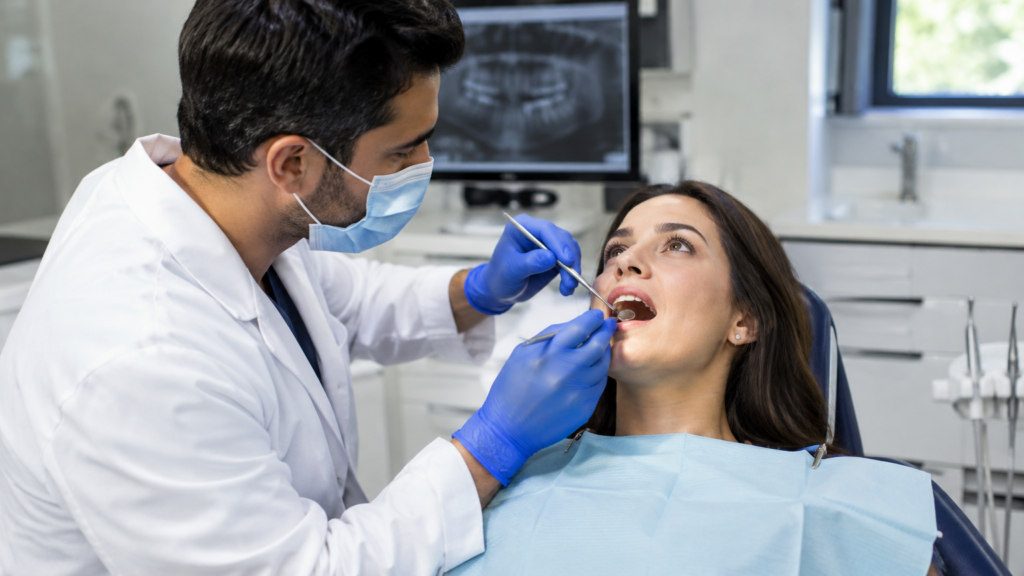
How dentists evaluate a tooth that hurts when biting down
If you visit a dentist because your tooth hurts when biting down, the exam usually focuses on narrowing down whether the pain is coming from the tooth, the surrounding ligament, the gums, or the bite itself.
Depending on the situation, evaluation may include:
- Reviewing when the pain started and what triggers it
- Checking for signs of cracks, wear, decay, or failing restorations
- Testing your bite to see whether one tooth is hitting too hard
- Examining the gums for swelling or localized inflammation
- Taking X-rays or other imaging when indicated
- Using percussion or bite tests to locate the sore tooth
- Assessing hot and cold sensitivity when appropriate
That process matters because the treatment for bite pain depends entirely on the cause. A bite adjustment, protective night guard, replacement filling, crown, root canal, or extraction may each be appropriate in different situations. Self-diagnosing based on symptoms alone can be misleading.
Quick comparison: monitor, schedule soon, or seek urgent care
| Situation | What it may suggest | Recommended response |
|---|---|---|
| Mild soreness only when chewing, no swelling, improving over a day or two | Minor irritation, bite strain, or temporary inflammation | Monitor briefly and schedule a dental visit if it does not fully resolve |
| Repeated pain when biting, one tooth feels different, sensitivity to cold, no visible damage | Possible crack, inflamed pulp, or bite problem | Arrange a prompt dental evaluation |
| Severe pain, swelling, fever, pus, facial swelling, or inability to chew | Possible infection, abscess, or advancing tooth damage | Seek urgent dental care right away; seek emergency medical care for breathing or swallowing problems |
What you can do before your dental appointment
While waiting to be evaluated, it is reasonable to take a few careful steps to protect the tooth and reduce irritation. These measures are supportive only. They do not replace a proper exam.
- Avoid chewing on the painful side. Pressure can worsen a crack or inflamed ligament.
- Choose softer foods. Avoid nuts, ice, hard bread crusts, and sticky candy.
- Keep the area clean. Brush gently and floss carefully in case food is trapped near the gumline.
- Use an over-the-counter pain reliever if appropriate for you. Follow label directions and your physician’s guidance if you have medical restrictions.
- Avoid extreme temperatures. Very cold or very hot foods may trigger additional pain.
- Do not ignore swelling. If swelling appears or increases, contact a dentist promptly.
What you should not do is just as important. Do not keep testing the tooth by biting repeatedly to “see if it still hurts.” Do not place aspirin directly on the gum. Do not assume no visible damage means no real problem.
Why waiting can make the problem more complicated
When bite pain is caused by a crack, deep decay, pulp inflammation, or early infection, delay can reduce treatment options. A tooth that might have been stabilized with a more conservative approach may later require root canal treatment, a crown, or extraction if the damage extends further.
Even problems related to clenching or bite imbalance are worth addressing sooner rather than later. Constant excess pressure on one tooth can keep tissues inflamed and may contribute to further wear, tenderness, or restoration failure.
The goal is not to panic over every twinge. It is to recognize that persistent pain with pressure is a sign your mouth is asking for attention.
Special considerations if you recently had dental work
If the tooth started hurting after a recent filling, crown, veneer, or other procedure, the cause may be related to the way the tooth is contacting the opposite teeth, or to irritation within the tooth after treatment. Some mild sensitivity after dental work can be expected in certain cases, but pain when biting that is strong, worsening, or not improving should be rechecked.
This is especially true if:
- The tooth feels too high when you close your mouth
- You had no pain before the procedure
- The pain is sharp and specific to one spot
- You are avoiding chewing on that side
- The symptoms have lasted more than a few days or are increasing
A follow-up visit can help determine whether the issue is a simple bite adjustment or something that needs further treatment.
Could it be a sinus problem instead of a tooth problem?
Sometimes, yes. Pressure from sinus inflammation can make upper back teeth feel sore, especially when bending over or chewing. But sinus-related discomfort is often more diffuse and may affect several upper teeth rather than one sharply localized tooth. You may also have congestion, facial pressure, or a recent cold.
That said, sinus symptoms do not rule out a true dental problem. A dentist may still need to evaluate the area if one tooth is clearly more painful than the others, if the pain is persistent, or if there are signs suggesting a crack or infection.
For residents, travelers, and anyone away from home
Bite pain can be especially stressful when it starts during a trip, over a weekend, or while you are away from your regular dentist. People often try to push through until they get home, particularly if there is no visible chip or swelling. That may be reasonable for mild, short-lived irritation, but it can be risky if the pain is increasing or preventing normal eating.
If you are traveling or staying in a hotel and develop pressure-related tooth pain, look for an emergency dentist, weekend emergency dentist, or walk-in dentist who can assess whether the tooth is cracked, infected, or in need of temporary stabilization. Prompt evaluation can help prevent a manageable problem from becoming a vacation-disrupting emergency.
When emergency dental care matters most
A painful bite is most urgent when it appears alongside signs that the condition is active, unstable, or spreading. Examples include severe toothache, swelling, pus, fever, pain after trauma, a broken or previously treated tooth that becomes painful, or symptoms suggesting an abscess. In those settings, the problem is no longer just “discomfort when chewing.” It may be progressing into a true dental emergency.
By contrast, a mild bite-related twinge that improves quickly may not require immediate care, though it should still be monitored. If the symptom returns, lingers, or starts interfering with meals, it is time to schedule an exam.
Conclusion
If biting down hurts but there is no visible damage, the problem should not be dismissed. A tooth can look normal and still have a hidden crack, inflamed nerve tissue, bite-related trauma, failing dental work, or early infection. In many cases, the only way to tell the difference is through a professional dental evaluation.
The most important thing is to pay attention to the pattern. Pain that repeats, worsens, or comes with swelling, temperature sensitivity, or difficulty chewing deserves prompt care. And if facial swelling, fever, trouble swallowing, or trouble breathing are present, seek emergency medical attention right away.
Early evaluation can help identify the source, relieve discomfort, and reduce the chance that a small hidden problem becomes a larger one.